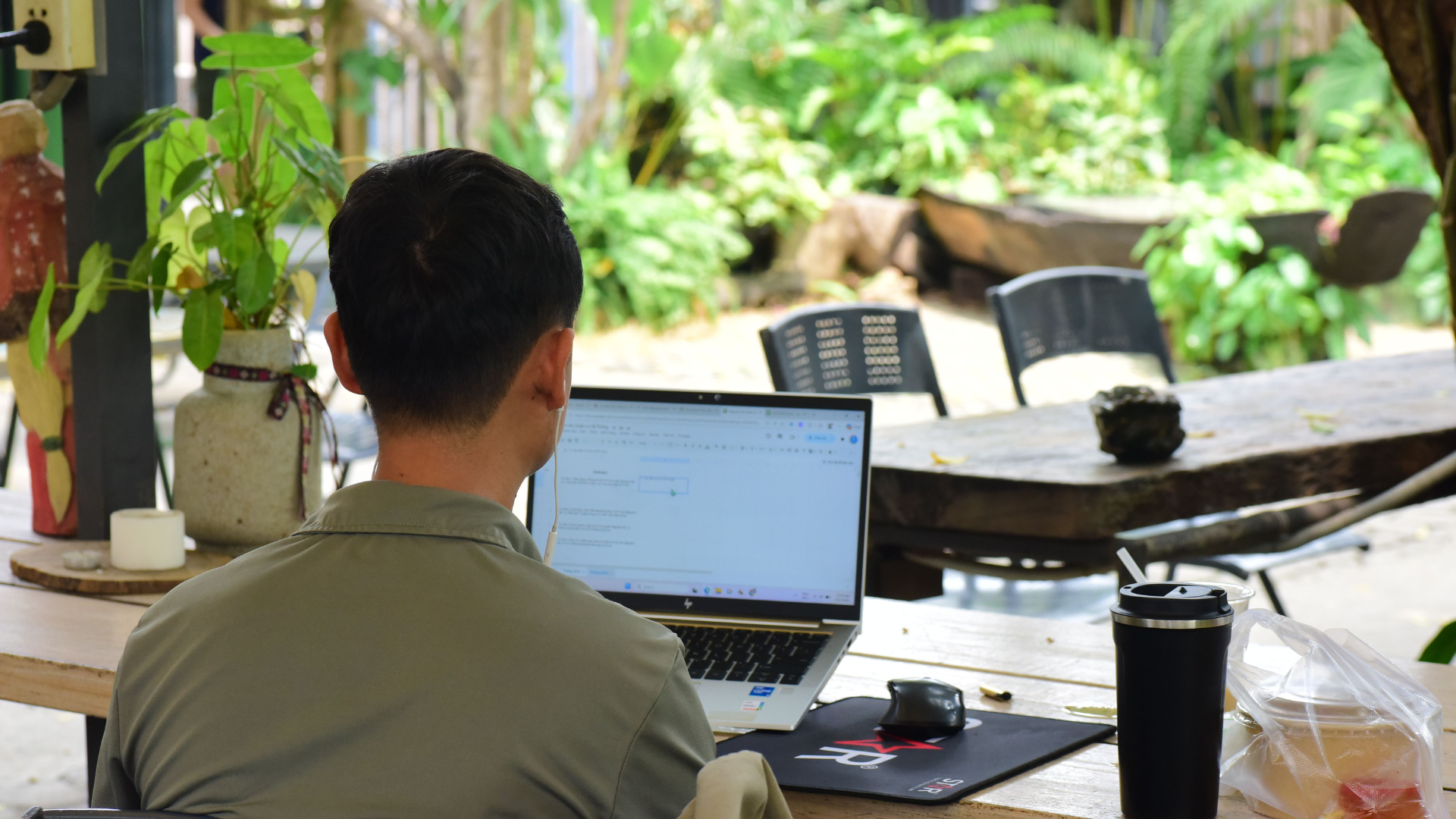
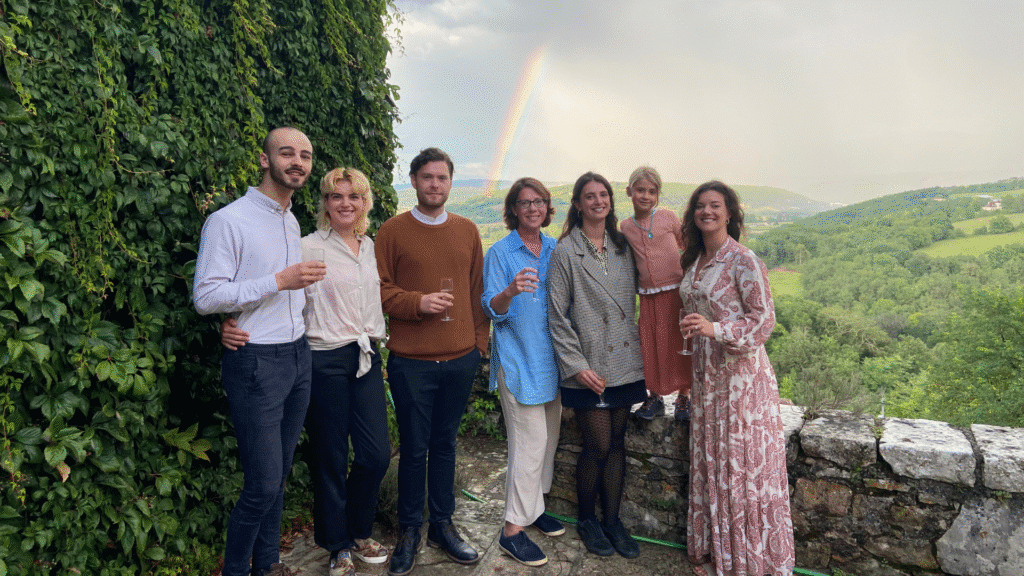
Loneliness is the part of being a founder that nobody likes to talk about. After more than 35 years building SNP Leadership Communications alongside her husband, Maureen Taylor has worked with some of the most recognised leaders in tech, and she’s seen how isolating the role can be.
Why it feels different at the top
Founders carry a unique weight. Every decision, every offhand comment, every moment of doubt can be amplified by the people around them.
“A lot of leaders are loners, or a little bit afraid of people or shy… and it’s something that you have to be ok with.”
“It is lonely. Everything you say, especially if you’re in charge of something, is taken by the people that work with you in a way that you might not even mean.”
A 2024 report from UCL found that 76 percent of startup founders experience loneliness, which directly impacts their confidence and decision-making.
Building your invisible board
When loneliness creeps in, the answer isn’t to ignore it and hope for the best, Maureen says, but to learn to share the load.
Her advice is to create what she calls an “invisible board of directors”.
“You have to have a board of directors in your mind of people that you can get advice from. That’s not just one person; some people you have lunch with, some people you go running with – just spread it out a little bit, so you’re not putting too much on anybody.”
“You’re still alone, and you have to be okay with that. But it doesn’t have to be where you want to curl up in a fetal position under your pink comforter and cry.”
Just like in romantic relationships, it’s rarely healthy to rely on one person for all our needs. The same applies in business. By sharing the weight across different relationships, you’ll have a range of perspectives to learn from and a broader support system to rely on.
Talking about it helps
One of the most powerful steps, Maureen believes, is simply acknowledging the problem.
“Admitting that it’s lonely and crazy, it’s like these little switches or dials just go on that it’s okay and then you can go further. Don’t be afraid of it.”
This may sound small, but it matters. A 2024 report found that those who build resilience through habits like peer support experience fewer signs of strain and are better able to sustain their performance.
Practical steps founders can take to tackle loneliness
1.Create your own “board of directors”
Spread your support system across different people: peers, mentors, friends, even a therapist. (Although she doesn’t have a therapist because, she says, “I’m a Boomer!”)This reduces the pressure on any one person and gives you a broader range of perspectives.
2. Normalise talking about it
Loneliness loses its sting when it’s acknowledged. Share your experience with other founders or trusted peers. You’ll often find they’re going through the same thing.
3. Join peer groups or networks
Founder communities, accelerators, and leadership circles provide a space where you can be honest without the weight of hierarchy. In fact, it’s the whole reason Follow the Founder exists! Having a space to authentically explore the challenges, achievements, and lifestyles with other entrepreneurs is extremely powerful. Research shows peer support is one of the most effective ways to build resilience.
4. Keep younger or different voices around you
Maureen believes that surrounding yourself with people who see the world differently helps you stay open and curious – and less isolated. She has been criticized for always having 20-somethings in the mix. But it’s the 20-somethings that change the world. She even has a GenZ Advisory Board.
5. Always remain curious and seek out expertise from others
Seek out advice from a whole range of people, of all ages and industries. A 1:1 leadership coach can also help you get people to listen, pay attention, and take action, as well as help solve the problems you have right now and build the strategy to navigate the future.
6. Look after your health
Exercise, sleep, and downtime are often the first things we de-prioritize. In reality, these are what give us the mental stamina we need to lead.
Maureen doesn’t claim there is a neat solution to loneliness. It will come with the role. But you can decide how to live with it: by spreading the load, admitting it out loud, and reminding yourself that it is part of what makes the founder journey different.
Take inspiration from our network of Founders and become a part of a supportive and welcoming community by joining Follow the Founder. You can also find us on Instagram @followthefounder
Why do startup founders experience heightened loneliness at the top?
Founders carry a unique burden of responsibility where every decision, moment of doubt, or casual comment is amplified by employees. Maureen Taylor notes that many leaders are naturally reserved, and the structural hierarchy makes it difficult to speak completely candidly with staff without causing unintended anxiety.
What percentage of startup founders experience loneliness?
According to a 2024 report from UCL cited in the article, 76 percent of startup founders experience loneliness, which directly impacts their self-confidence and decision-making capabilities.
What is an "invisible board of directors" and how does it help?
An “invisible board of directors” is a mental support network made up of various mentors, peers, friends, or advisors spread across different activities (such as someone you grab lunch with or someone you go running with). Spreading your reliance across multiple people prevents over-burdening any single individual while providing diverse perspectives.
Why does Maureen Taylor advocate for having a GenZ Advisory Board or younger voices around?
Maureen believes surrounding yourself with younger generations (like 20-somethings) keeps leaders open, curious, and connected to how the world is evolving. Staying exposed to different generational viewpoints helps prevent the isolation that comes from insular leadership circles.
How does acknowledging loneliness help founders build resilience?
Normalizing and admitting out loud that being a founder is lonely strips the issue of its stigma. Peer support research shows that acknowledging shared struggles helps leaders reduce personal strain, maintain mental stamina, and make clearer strategic decisions.
What practical steps can founders take to manage isolation?
Founders can manage loneliness by:
-
Creating a distributed support network (“invisible board”).
-
Joining peer groups, leadership circles, or founder communities.
-
Seeking out diverse expertise across ages and industries.
-
Prioritizing personal health habits like exercise, sleep, and downtime.
What role do executive leadership coaches play in supporting lonely founders?
A 1:1 leadership coach provides an objective sounding board to help founders address immediate operational problems, refine their communication to get people to take action, and develop long-term strategic plans without hierarchy pressures.
Who is Maureen Taylor and what is her background?
Maureen Taylor is the co-founder of SNP Leadership Communications, a firm she built over 35 years alongside her husband. She has coached and advised some of the most recognized leaders in the technology sector.
Want to Keep Reading?
Archetypes Who are You: Caroline Myss
Explores universal archetypes and how understanding them can provide insight into personality, purpose, and personal transformation.