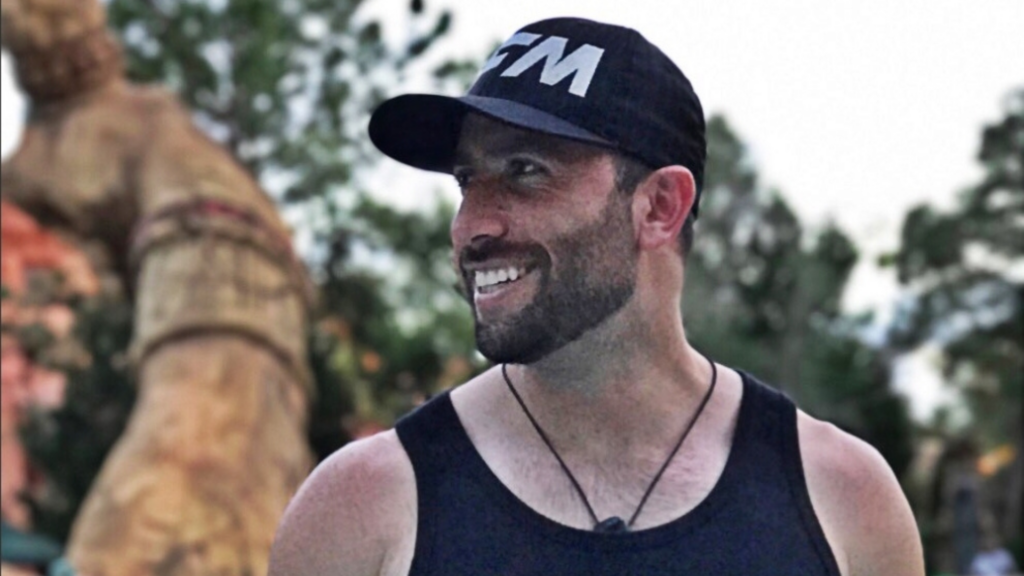
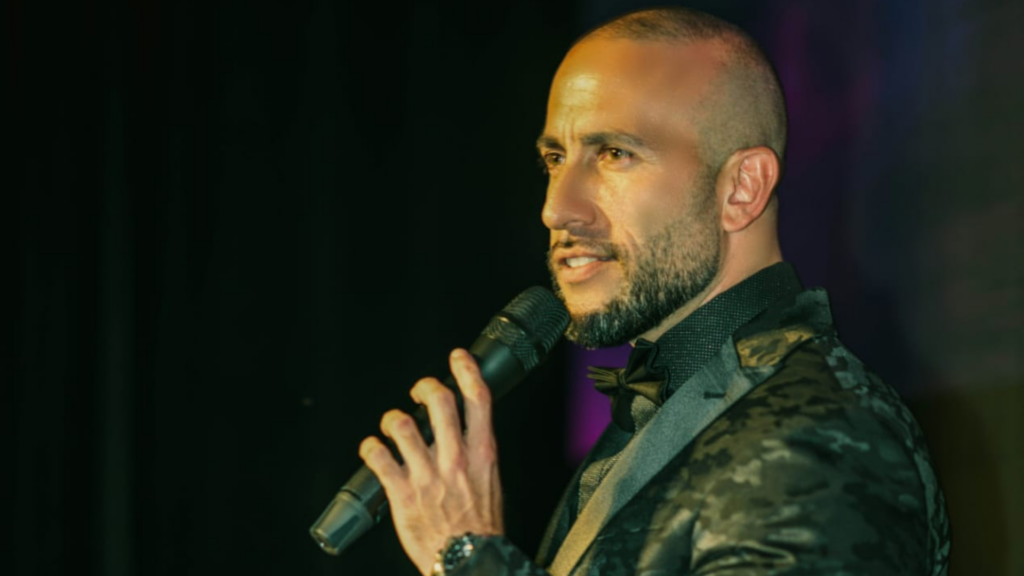
Tommy Halvorson is the Founder and CEO of The Fire Society, the company behind Foxtail Catering and Events, Radish, workplace food and beverage, and Tonic Beverage Catering, and soon to open Wolfsbane restaurant, a collaboration with Michelin Star chefs Rupert and Carrie Blease from Lord Stanley in San Francisco.
In a rare interview, Tommy gives us a glimpse into how a kid from Kentucky who once starred in Warren Miller ski films ended up building one of the Bay Area’s most in-demand hospitality groups.
Born into business
Entrepreneurship runs in Tommy’s blood. His great-grandfather immigrated from Sweden and sold ice from the Great Lakes. His grandfather opened shops in Idaho and later built wealth through real estate. His dad opened a Taco John’s at 18 and eventually grew it into 17 locations.
“I grew up in it… there was never really a thought that you wouldn’t have your own business,” he says. “That was just a given.”
That expectation of independence gave him the confidence to back himself when the time came.
“For me it was never a question that I would make the leap.”
Learning to lead
The lessons from the men in his family helped shape both Tommy’s appetite for risk, and the leader he would become.
For Tommy, empathy comes first: “How do you know how a person actually wants to be treated unless you’re curious enough to know who they are, where they come from, what their goals and motivations are?”
He also flips the traditional leadership model on its head: “I feel like I’m at the bottom of a pyramid pushing up…”
“Some people think they’re at the top and everyone supports them. I think it’s the opposite – I support you.”
Tommy’s approach keeps team culture strong and builds long term loyalty from his employees – a win-win for everyone. Ally, who started part-time in social media, is now a partner managing major events. “She built her career here. She’s not going anywhere. And the business benefits from that.”
Life on the slopes
Before business, Tommy’s world was skiing. He was a state champion by fourth grade, and went on to compete nationally in freeride skiing. The results brought attention, and with it, he was able to build a brand that attracted sponsors, magazine features, and led to him being recruited by the godfather of ski filmmaking – Warren Miller – to appear in two of his movies.
To outsiders, it looked like the dream.
“It was super cool. I was like, ‘Wow, this is rad.’ But then I thought, is this it? I was in two movies, magazines, had sponsors…”
But after multiple concussions and watching his uncle break his neck in a crash the reality was brought home. “I was still healthy. And I was like, maybe I’m done.” He decided to walk away while he still could.
Transitioning back to reality
Back in Paducah, Kentucky, Tommy’s life looked very different. He worked nights buffing floors for his sister’s cleaning company while his ski friends were still chasing the circuit.
The transition was not an easy one. “I would literally sit on the floor and cry, like what am I doing here?” Coming down from the adrenaline of a career as a professional athlete and not quite knowing what was next, Tommy felt lost. Then cooking sparked something in him.
A prime rib dinner he made for his sister’s friends led someone to suggest he should cook for a career and go to culinary school. His dad’s advice was simpler: try cooking at a real restaurant first. Make sure it fits.
“You just work in a really good restaurant… what culinary school can’t teach you is work.”
“You’re going to show up, you’re going to work hard.”
The kitchen and the classroom
As one who would continue to seek extreme adventure at every turn, Tommy moved to California and built his skills in Bay Area kitchens: learning to make pasta from scratch, absorbing the ethos of farm-to-table at Bix, and rising to sous chef. He enjoyed kitchen life – and was great at it – but he still wasn’t sure which path he’d take.
He quickly learned that cooking on the line was able to give him the taste of some of the adrenaline he’d been missing. “The first night I worked on the line I was like, this is awesome. When you know what you’re doing and you’re in the weeds, it’s fun.”
During this time learning in the kitchen, Tommy also enrolled at the UC Berkeley and studied an interdisciplinary degree in philosophy, sociology, and peace and conflict. He also went onto study teaching thinking that could be a good fit.
But by the time he graduated, he knew he wasn’t destined for teaching or academia. It was food that had truly captured his heart and deep curiosity.
Proving them wrong
In 2009, Tommy had worked his way into a position as a sous chef at a high-end catering company. He saw potential everywhere, but felt the leadership wasn’t ambitious enough.
“We had this great commercial kitchen. I was like, we’re not doing enough with this thing. We’re being passive…”“I didn’t think they were trying hard enough, and I was like, I can do this myself.”
Like many founders, Tommy demonstrated some typical founder behavior; feeling dissatisfied with the way the company he was working for was run. He could easily see inefficiencies and opportunities that the company was not taking and felt he needed to do something about it to prove to leadership that he was right. However, like many up-and-coming founders, leadership responded to his out-of-the-box thinking with more oversight and more management. “I do not like being micromanaged!”
Ultimately this pushed Tommy to make one of the best decisions, one he was destined for, to take that leap and start his own business. When he announced he was leaving to start his own business, colleagues mocked him.
“They all made fun of me. They couldn’t wait for me to fail. And I was like, f*** you. There was never going to be the option of going back to work for anybody ever.”

Hard and fast lessons
When Tommy finally told his dad he was ready to go out on his own, he didn’t get blind encouragement. “I think I said something like, it’s time for me to see if I’m some s***. And when I asked to borrow some money, he made me write a business plan.”
His dad lent him $25,000; the biggest number Tommy could imagine at the time, but in reality barely enough for basic equipment and one month’s rent in a shared kitchen.
The first event nearly broke him. “My truck got a flat tire, the jack broke, the truck almost fell on my foot, and then I got a bad Yelp review. It was horrible.”
But even in the chaos, people noticed the quality of the execution. That was enough to get hired for private events, which grew into steady corporate work. Out of that momentum he launched Foxtail Catering and Events which became known for its ambitious large-scale parties and weddings.
Radish, a workplace food and beverage company serving some of San Francisco’s biggest tech offices, and Tonic, a craft beverage arm that ‘brings the bar to you’. And now, fine dining from Wolfsbane in the heart of Dogspatch.
Together, these businesses make up The Fire Society, a group built to cover every corner of hospitality, from daily workplace meals to and once-in-a-lifetime celebrations.
Finding his role
Throughout his career, Tommy has loved the rush of the kitchen. “You’re a subculture. Cooking isn’t that different from skiing. You’re a little off from the norm. You’re in the back making it happen, it’s fire and pain and team and adrenaline.”
But over time he realized his real strength was elsewhere. “I can throw down. But my forte is running the business and being a people manager. I have a management style of empowerment. I’m approachable. I’m interested in people succeeding and giving them opportunities.”
Leaning into that role allowed him to build a company far bigger than himself.
From chaos to craft
Looking back, he wouldn’t trade the chaos of the early years. “I was super run and gun in the beginning and I think I needed to be. If I knew then what I know now, I might not have started. You kind of almost have to be ignorant of the challenges or you’d never take the leap.”
He is blunt about the ride. “It will absolutely go sideways. You will absolutely hit rock bottom multiple times.”
And yet, that’s exactly what makes it worthwhile. As he says… “If we’re going to do it, we may as well f****** do it.”
Take inspiration from our network of Founders and become a part of a supportive and welcoming community by joining Follow the Founder. You can also find us on Instagram @followthefounder
Want to Keep Reading?
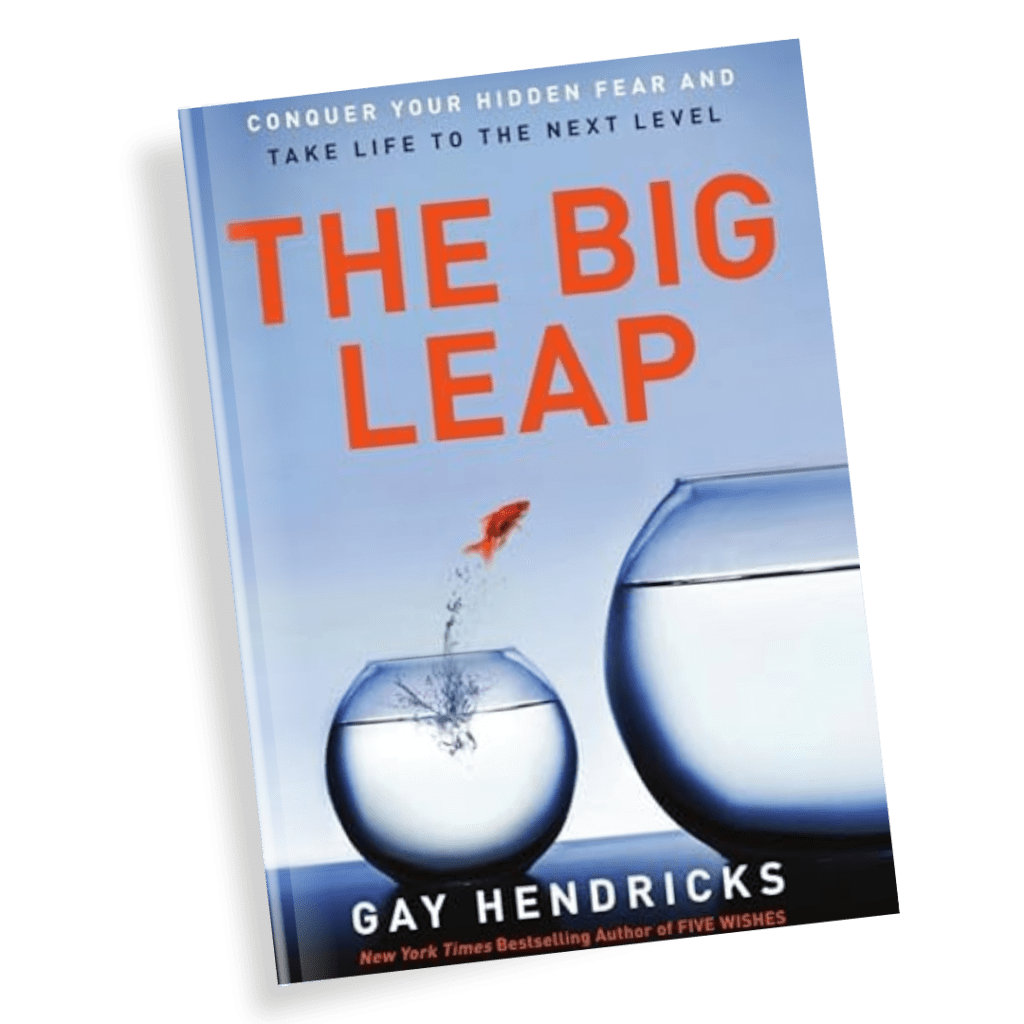
The Big Leap: Gay Hendricks
Discusses how self-imposed limits and subconscious fears hold us back, offering strategies to overcome them and step into our “Zone of Genius” for lasting success and fulfillment.