Most founders know they should be collecting customer feedback (and if you didn’t, you do now!). The real challenge is figuring out how to gather insights that actually move the needle. Too often, feedback collection becomes a box-ticking exercise: send out a survey, get a handful of responses, file them away, and move on.
The difference between feedback that sits in a spreadsheet and feedback that drives growth comes down to systems. Without structured processes for collecting, analysing, and acting on customer insights, even the best feedback becomes noise.
Here’s why most feedback collection fails and how you can build a system that actually works.
Why Most Feedback Collection Fails
The most common mistake is treating feedback as an event rather than a process. You send out an annual survey, ask for reviews after a purchase, then wait months before checking in again.
This sporadic approach creates a number of problems:
- You only capture snapshots of customer sentiment
- You’re always working with outdated information
- Customers notice when their input disappears into a void.
According to an article from Bain & Company, companies that excel at customer experience build systems that continuously capture insights and rapidly translate them into action. The speed and consistency of your feedback loop matters as much as the quality of individual responses.
Another common pitfall is asking the wrong questions. Generic surveys with vague questions like “How satisfied are you with our service?” provide little actionable information. You might learn that 73% of customers are “somewhat satisfied,” but what do you do with that? Without specific, contextual questions tied to actual business decisions, feedback becomes background noise rather than strategic intelligence.
Here’s how to design feedback loops that move beyond surface-level opinions and turn customer insights into data you can actually use to drive meaningful growth.
1. Build Continuous Feedback Systems, Not One-Off Surveys
The foundation of meaningful feedback collection is building it into your existing customer touchpoints rather than treating it as a separate initiative. Every interaction your business has with customers is an opportunity to gather insights, and the key is designing systems that capture information without creating friction.
Start by embedding feedback touchpoints into your customer journey. Examples include: post-purchase surveys, onboarding check-ins, or quick sentiment polls.
The key is to make feedback easy to give and easy to analyse.
2. Building Feedback Channels That Actually Get Responses
Getting customers to provide feedback requires more than just asking. You need to give them compelling reasons to invest their time and make the process genuinely easy.
Make your requests specific and contextual.
Instead of “How’s everything going?” ask “You’ve been using [specific feature] this week. What’s been most useful about it?” or “We noticed you explored [section] but didn’t complete [action]. What stopped you?” These targeted questions show you’re paying attention and make it easier for customers to provide relevant insights.
Consider offering incentives, but be strategic about it.
Small gestures like entry into a prize draw or a discount code can boost response rates, but be careful not to attract feedback from people who don’t genuinely care about your product. The goal is quality insights, not volume.
Diversify your channels.
Some customers prefer email surveys, others will share thoughts on social media, and some will only provide feedback in conversation. Meet customers where they are rather than forcing everyone through the same channel.
3. Turning Feedback Into Actionable Data
Collecting feedback is only half the battle. The real value comes from systematically analysing responses and translating insights into concrete actions.
Develop a consistent tagging system based on your business priorities. You might categorise feedback by product feature, customer segment, problem type, or severity. This structure allows you to quickly analyse trends. If fifteen customers independently mention the same friction point, that’s a signal worth acting on immediately.
In Good to Great, Jim Collins identifies that exceptional companies maintain rigorous discipline in confronting brutal facts whilst maintaining unwavering faith in eventual success. Regular feedback review sessions embody this principle. You’re forcing yourself to face uncomfortable truths about what’s not working while using those insights to improve.
4. Integrate Feedback into Your Team’s Workflow
Collecting feedback is pointless if it never reaches the people who can act on it. The most successful founders integrate feedback review directly into their team workflows.
Create a formal process for moving from insight to action. When you identify an important piece of feedback, document it in your project management system with the same weight you’d give any other business priority. Assign it to a team member, set a timeline, and track progress.
Consider implementing a formal feedback loop where you close the circle with customers who provided input. When you make changes based on feedback, let those customers know. This accomplishes two things: it shows customers their voice matters, increasing the likelihood they’ll provide future feedback, and it gives you a chance to validate that your solution actually addressed their concern. Companies that create closed-loop feedback systems see significantly higher satisfaction and loyalty scores than those that simply collect feedback without demonstrating action.
5. Making Feedback Collection Part of Your Culture
Systems and data are only as strong as the culture behind them. As a founder, you set the tone. Your reaction to feedback determines how your team responds to it too.
This requires emotional intelligence and self-awareness (skills we explored in depth in our article on why customers don’t owe you nice feedback). When you model the ability to receive criticism without defensiveness, your team learns to do the same.
Celebrate examples of feedback-driven improvements in team meetings and company communications. Share stories about how customer input led to successful changes. This reinforces that feedback matters and encourages everyone to stay engaged with the process.
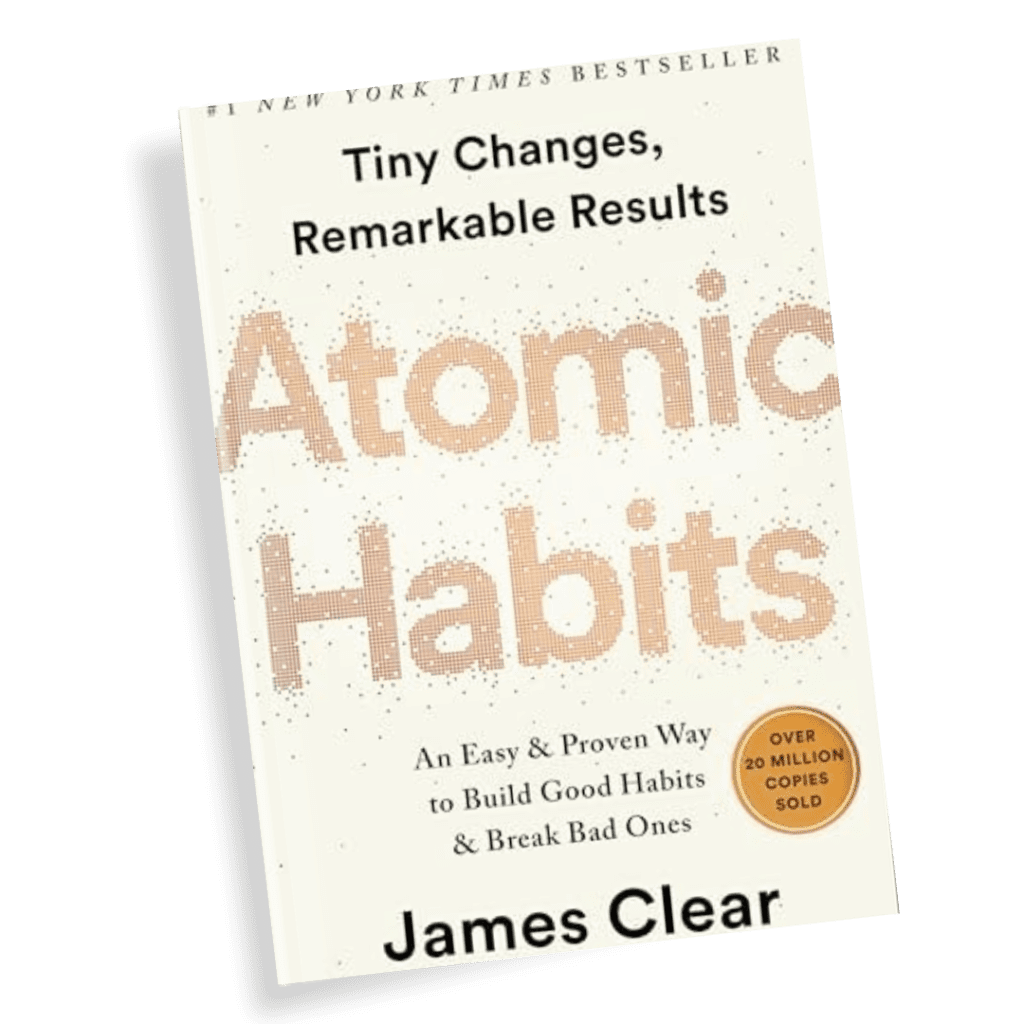
To dive deeper into cultivating this kind of mindset, Atomic Habits by James Clear is essential reading. It’s a masterclass in building small habits that create lasting behavioural change . Exactly what’s required to make listening a natural part of your company’s DNA.
Moving Forward with Better Systems
The goal is to collect better feedback and actually use it to improve. A few high-quality insights that lead to meaningful changes are infinitely more valuable than hundreds of survey responses that never influence your decisions.
So, instead of fearing feedback, systematise it. Use it to refine your ideas, strengthen your brand, and build the kind of business that grows smarter with every customer interaction.
For more insights like this, explore Follow the Founder or sign up for our newsletter through this blog to receive future articles, tools, and founder-focused reflections. You can also find us on Instagram @followthefounder
Want to Keep Reading?
Atomic Habits: James Clear
Atomic Habits offers a proven framework for improving–every day. James Clear reveals practical strategies that will teach you exactly how to form good habits, break bad ones, and master the tiny behaviors that lead to remarkable results.