When Maureen Taylor talks about partnership, she doesn’t reference management theories or business school frameworks. She goes straight to what she knows best. “There is no tip or trick… I do think with founders, it is very much like the partnership of marriage.”
As co-founder of SNP Leadership Communications with her husband, Renn Vara, Maureen has spent more than three decades building alongside him. And for her, it’s clear: the same principles that make a marriage work also apply when you’re starting and running a company with someone else.
Shared values matter most
Partnerships in life start with alignment on what really matters.
Maureen puts it bluntly: “I think there’s two things that people have to decide if they have the same values: how they look at people and money, because those are the two biggest things in a marriage or in a partnership.”
Values, she says, are what you lean on when things get difficult. They are the anchor in all the “hard, tough times.”
If you don’t have them, no amount of strategy will make the partnership last. Or, as Maureen advises:
“If you don’t have the same values, break up right now.”
Respect each other’s core competencies
When you work closely with someone, especially a spouse, the lines can blur. Maureen stresses the importance of recognising and respecting what the other person brings to the table.
“Once you figure out how you work together and what the strength is, you can get into a pattern that really moves.”
This concept of complementary skills is a proven driver of success in business. A report from McKinsey on managing complex business partnerships highlights that companies form alliances to gain access to new markets, share intellectual property, or reduce risk by leveraging each other’s complementary capabilities. This helps both partners achieve more than they could alone.
For Maureen and Renn, this balance doesn’t mean avoiding conflict. It means trusting and remembering that the other person’s strengths are just as critical as your own. In fact, research suggests that acknowledging these differences is what sets partnerships up for long-term success.
Independence strengthens partnership
One of the strongest lessons Maureen absorbed early on didn’t come from business or marriage, but from her grandmother.
She had moved from Ireland to New York and spent 27 years cleaning the Empire State Building. Her advice was simple: “Maureen, you’ll promise me that you will never ever ever be economically dependent on a man.”
Maureen has carried that promise throughout her life. “Economic independence. No matter who you are, where you are, what you are.”
Independence makes partnerships so much stronger because it means you are choosing to be there, not forced to be.
Communication is more than words
Partnerships are also built on the daily habits of how you talk and listen to each other. At SNP, their focus is on practice, not theory, and Maureen has seen the effect good communication can have on partners in real time.
Leaders who communicate with clarity and confidence, and who pay attention to how their words are heard, are the ones who move forward together. In a marriage or a co-founding team, that means listening carefully, noticing when something does not land, and adjusting before it turns into a bigger issue.
Marriage may sound like an odd place to draw lessons for business, but over 35 years, Maureen has seen that the parallels are real. Shared values, respect for each other’s strengths, and independence are what make both last.
As she says: “Have the same values, and respect each other’s core competency. Values get you through all the tough times.”
Take inspiration from our network of Founders and become a part of a supportive and welcoming community by joining Follow the Founder. You can also find us on Instagram @followthefounder
Want to Keep Reading?
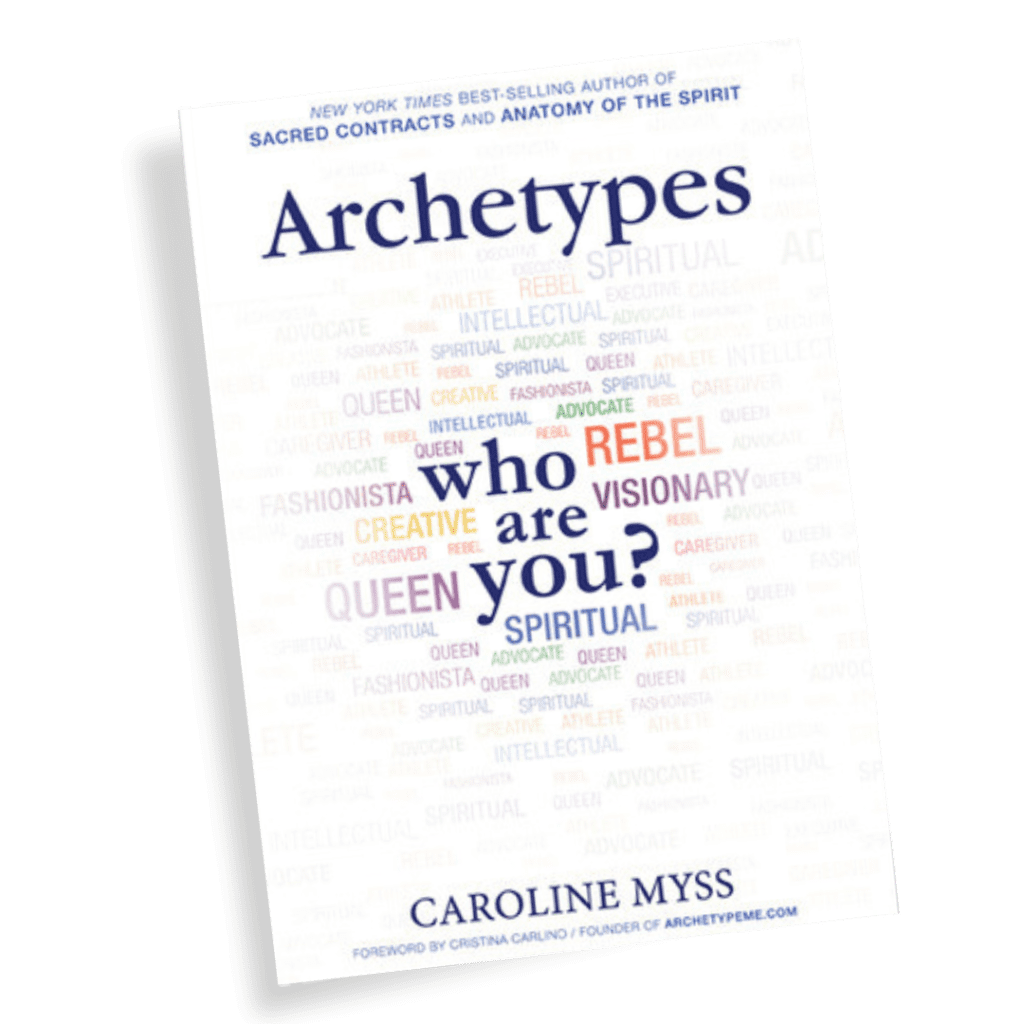
Archetypes Who are You: Caroline Myss
Explores universal archetypes and how understanding them can provide insight into personality, purpose, and personal transformation.