“I believe great businesses are built by great people.”
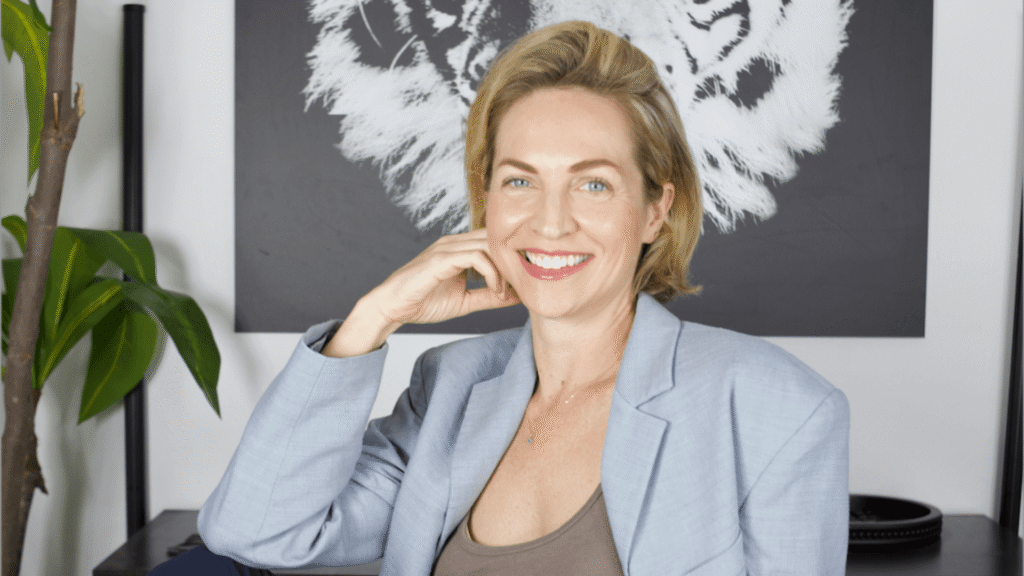
Luis Alvarado has spent his career proving that sentence is true: in boardrooms, on factory floors, through layoffs, M&A, and the messy, unglamorous work of keeping humans connected to purpose inside organizations that are moving fast and breaking things. As a fractional HR leader and founder of Luis Alvarado Consulting, he has seen what happens when founders get the people side right from the beginning. And he has seen what happens when they don’t.
This month, as the world celebrates Pride, Luis has something important to say about both.
DEI is not a trend. It’s an obligation.
In recent years, DEI (Diversity, Equity, and Inclusion)has become one of the most politically charged phrases in the American business lexicon. Companies have leaned in and pulled back. Programs have been launched and quietly dismantled. The conversation has grown loud, then defensive, then in some corners, silent.
“I always say as leaders if you carry on with curiosity you’re going to learn way more of that individual than you’d ever expect.”
For Luis, DEI was never a program to be managed or a metric to be reported. It is a lens through which every hiring decision, every team conversation, every cultural choice gets filtered. And it starts, he argues, long before the first employee walks through the door.
“DEI for me goes beyond the importance of color, gender identity, sexuality, and whatnot. But also in the sense of can you share the room with somebody who’s going to disagree with you, who’s going to push back, who’s going to have different thoughts? That’s what’s going to get your organization to catapult to a new level.”
Diversity of thought. Diversity of experience. Diversity of background and belief. These are not soft values to be addressed when the company is big enough. They are, in Luis’ telling, the engine of everything.
“If you put six individuals that think the same way in a room, they’re all just going to nod, agree, and walk out of there.”
Culture is not pizza parties
One of the most common mistakes Luis encounters in early-stage companies is the confusion between culture and perks. Founders talk about happy hours, team lunches, and flexible Fridays. Luis listens politely and then asks the harder question.
“Culture is the way of communication, the way the organization, the level of transparency, the level of what leadership looks like to the organization, and what the value proposition is.”
Culture, in other words, is behavioral. It is what happens in the room when the founder isn’t watching. It is whether a junior employee feels safe raising a concern, whether a manager has the skill to have a difficult conversation, whether the people who are different from the majority feel seen and heard and genuinely included, not just present.
The statement that stops Luis in any conversation is a familiar one.
“That statement alone: ‘we’ll fix the people issues later,’ is a huge red flag.”
Because by the time most founders say it, the culture has already been set. Not intentionally. Not maliciously. But set nonetheless, by every decision that was made without a people lens, every conversation that was avoided, every hire that prioritized speed over fit.
Transparency as an ethical act
In the context of ethics in tech and startups, Luis frames transparency not as a communication strategy but as a moral responsibility. Especially when things get hard.
“Make sure that we minimize spin through transparency and share what’s happening or what may happen if XYZ happens.”
He has managed layoffs. He has been in rooms where the decision was already made, and the question was only how to communicate it. And he has seen, up close, what happens when leaders choose silence over honesty.
“Having employees spin and create their own narrative, that is the worst thing that you can have happen.”
Humans, he points out, are wired to go to the worst possible conclusion when information is withheld. Anxiety fills the vacuum. Productivity collapses. Trust, once broken, takes far longer to rebuild than it would have taken to be honest in the first place.
His rule is simple and non-negotiable: you can always say something.
“You can acknowledge that you don’t have the answers, or you can acknowledge that it’s uncomfortable and this is what it looks like. Let’s have a transparent conversation, and we’ll get back to you.”
What people-first actually looks like
In a moment when AI is reshaping the workplace, when tariffs and economic uncertainty are forcing hard decisions, and when employees are navigating a world that feels increasingly polarized and precarious, Luis believes the founders who will build something lasting are those who refuse to separate the business outcomes from the human ones.
Luis is direct about what that looks like in practice. Not saying something, he argues, is always the more damaging choice.
“Not saying something is way more hurtful than saying something.”
The antidote isn’t having the perfect answer. It’s showing up as human first.
“I can empathize with you even if we’re different. And that goes such a far way.”
The ethical company of the future is not the one with the best DEI report or the most generous benefits package. It is the one where people feel seen, where leaders show up with curiosity instead of judgement, where transparency is practiced not performed, and where diversity is understood as a competitive advantage rather than a compliance requirement.
Pride Month is a reminder that inclusion is not a moment. It is a practice. And for the founders building right now, there is no better time to decide what kind of company you are going to be.
If this conversation resonated, you’ll find more of it inside the Follow the Founder community.
We share honest conversations about leadership, brand building, AI, influence, and what it really takes to build something meaningful. No noise. No recycled advice. Just lived experience from founders who are in it.
Follow along, subscribe to our newsletter, and join the conversation. The future of founder content will not be automated. It will be intentional.
Want to Keep Reading?
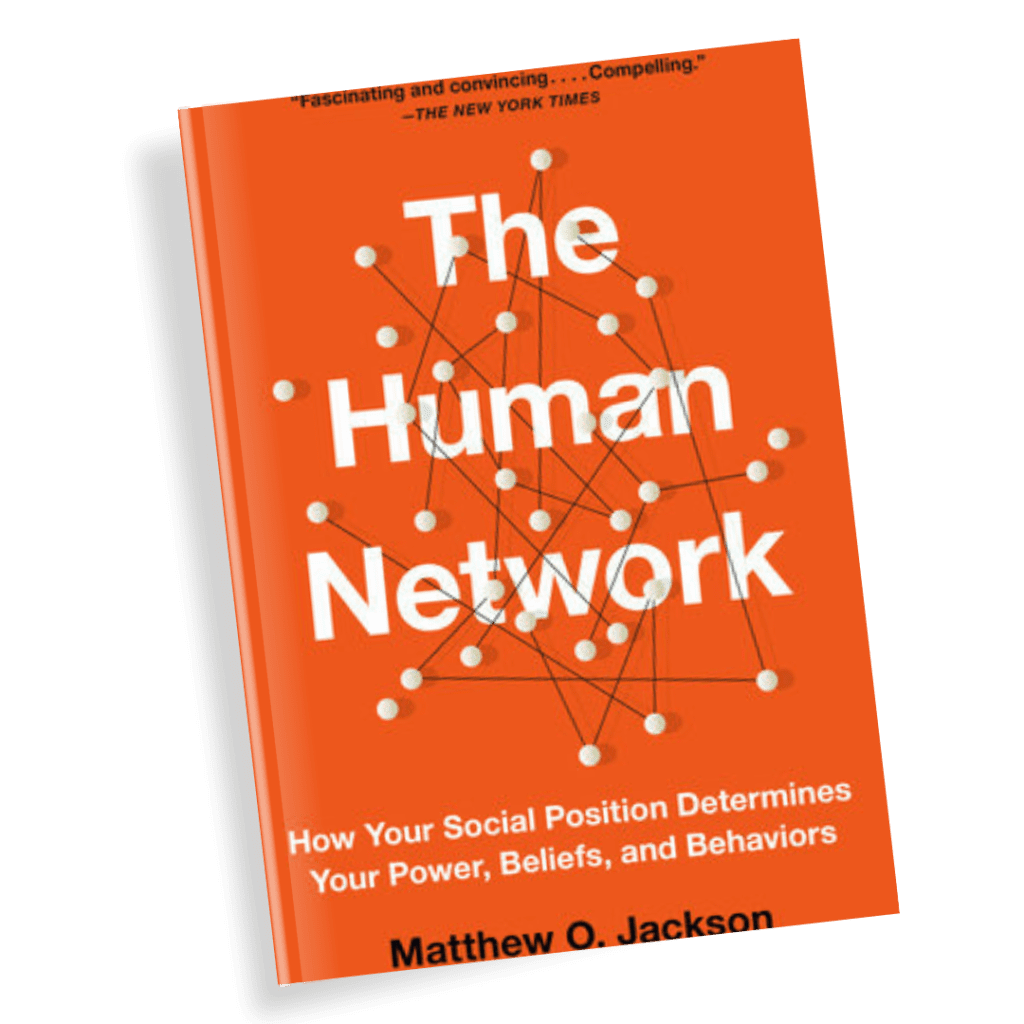
The Human Network: Matthew O. Jackson
How our sometimes hidden positions in various social structures (our human networks) shape how we think and behave, and inform our very outlook on life.