Life as a founder is often thought of as a grind: long hours, endless tasks. But resilience doesn’t come from pushing yourself harder. Sometimes, the smartest thing you can do as a founder is step away.
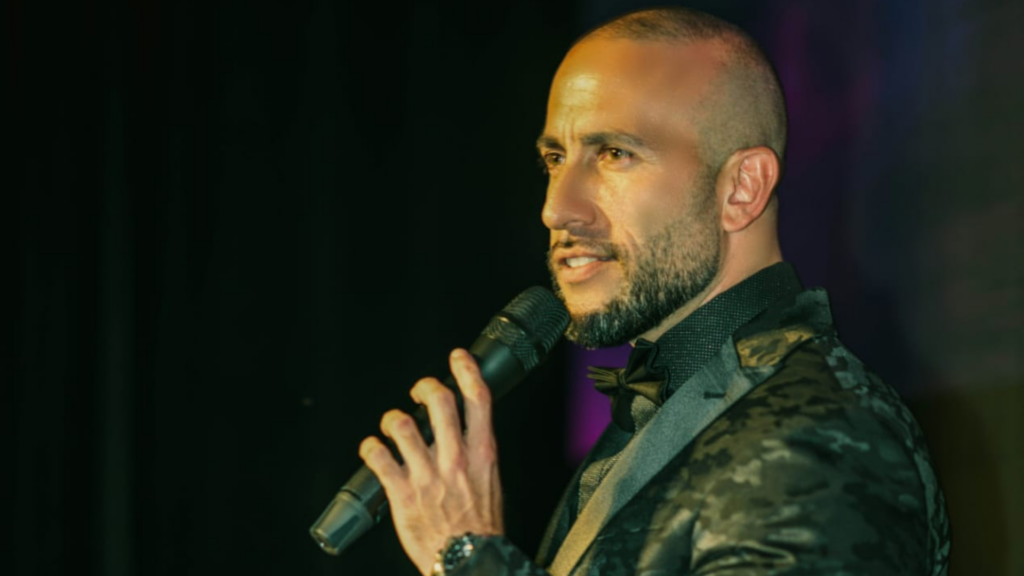
Viktor Lopatkin, co-founder of MindK, puts it simply: “I can have a terrible day, go to the gym, and come back with a completely different perspective.”
For him, exercise and meditation aren’t indulgences; they’re essential pattern-breakers. “You can’t seek solutions to your work stressors in the work itself,” he says. “You need the bigger picture.”
Why stepping away works so well
- Exercise is a proven mood stabilizer. Regular physical activity reduces symptoms of anxiety and depression and enhances cognitive function.
- Even short breaks are effective. A brisk 10-minute walk can reduce stress and sharpen focus, and can be just as effective as longer sessions.
- Exercise increases endorphins and brain-derived neurotrophic factor (BDNF), both of which support resilience and stress recovery.
Founders are particularly vulnerable to burnout, with higher-than-average rates of anxiety and depression. The Founder Resilience Report (2025) found that the most resilient founders weren’t the ones who worked longer, they were the ones who actively monitored stress and built intentional reset practices into their week
What a reset looks like
Viktor’s version involves meditation, time with family, or hitting the gym. But you can fit resets into your day in a whole range of ways:
- Physical reset: A run, walk, stretch, or even doing the dishes can break rumination.
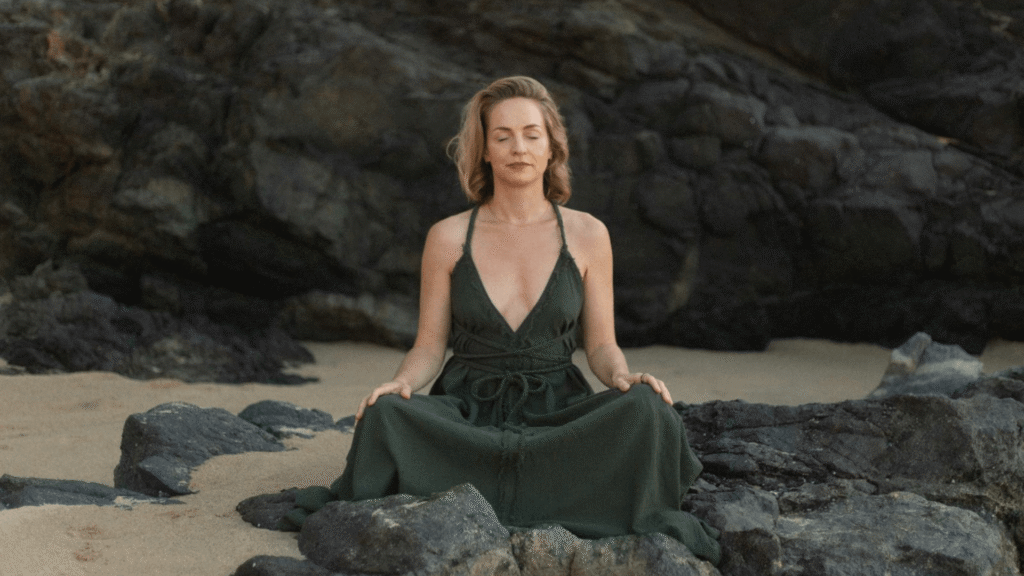
- Mental reset: A five-minute breathing exercise, journaling, or meditation session.
- Social reset: A meal with family, a call with a friend, or sharing struggles with another founder.
The common thread is that it shifts your attention away from the stressor and helps you return with a fresh perspective.
Reframing your thoughts
Meditation has also taught Viktor a different kind of resilience: not to confuse thoughts with facts. “Do you let your thoughts control you, or can you control your thoughts?”
By observing thoughts without attaching to them, he finds he can strip away their emotional weight and see problems more clearly. Reframing what information you attach yourself to can offer not only more clarity but also control over emotional reactions and decisions.
Building your founder resilience toolkit
If you want to adopt Viktor’s approach, start small:
- Choose one physical, one mental, and one social reset that you can turn to when stress spikes.
- Build them into your routine; don’t wait for a crisis to arise.
- Notice the shift it creates. Often, the problem itself doesn’t change, but your capacity to face it does.
Don’t forget the bigger picture
Founders can easily let their company become their whole identity. Viktor warns that if “your whole life is your work, and something goes wrong in your work, your whole life goes sideways.”
He’s learnt that resilience isn’t about doubling down on the grind. It’s about stepping back, remembering you’re more than your company, and coming back with the clarity to keep building.
Take inspiration from our network of Founders and become a part of a supportive and welcoming community by joining Follow the Founder. You can also find us on Instagram @followthefounder
Want to Keep Reading?
#GIRLBOSS: Sophia Amoruso
Sophia Amoruso shares how she went from dumpster diving to founding one of the fastest-growing retailers in the world.