Lately, it seems like every business newsletter, every podcast, every conference speaker is hammering the same message: adopt AI or get left behind. The pressure is tangible, and the potential is undeniable. AI is reshaping everything from content creation and customer service to operations and strategy.
But for founders who care about more than just speed and scale, the question isn’t just how to adopt AI – it’s how to do it without compromising the values and mission that define your business?
This isn’t a binary choice. You don’t have to pick between innovation and integrity. The real opportunity lies in building AI implementations that strengthen both.
This blog is your guide to doing exactly that.
The False Choice: Innovation vs. Values
Too often, the conversation around AI adoption presents a false binary: move fast and break things, or get left behind by competitors who will. This mindset has led to what we’re seeing across industries – AI implementations that feel soulless, customer relationships that become transactional, and companies that lose their authentic voice in pursuit of efficiency gains.
The most successful AI adoptions in 2025 are coming from organisations that used their values as a filter for smart AI decisions. Consider the statistics: 90% of business executives believe customers highly trust their companies, while only 30% of consumers actually do. This 60-point trust gap is widening because companies are prioritising optimisation over authenticity.
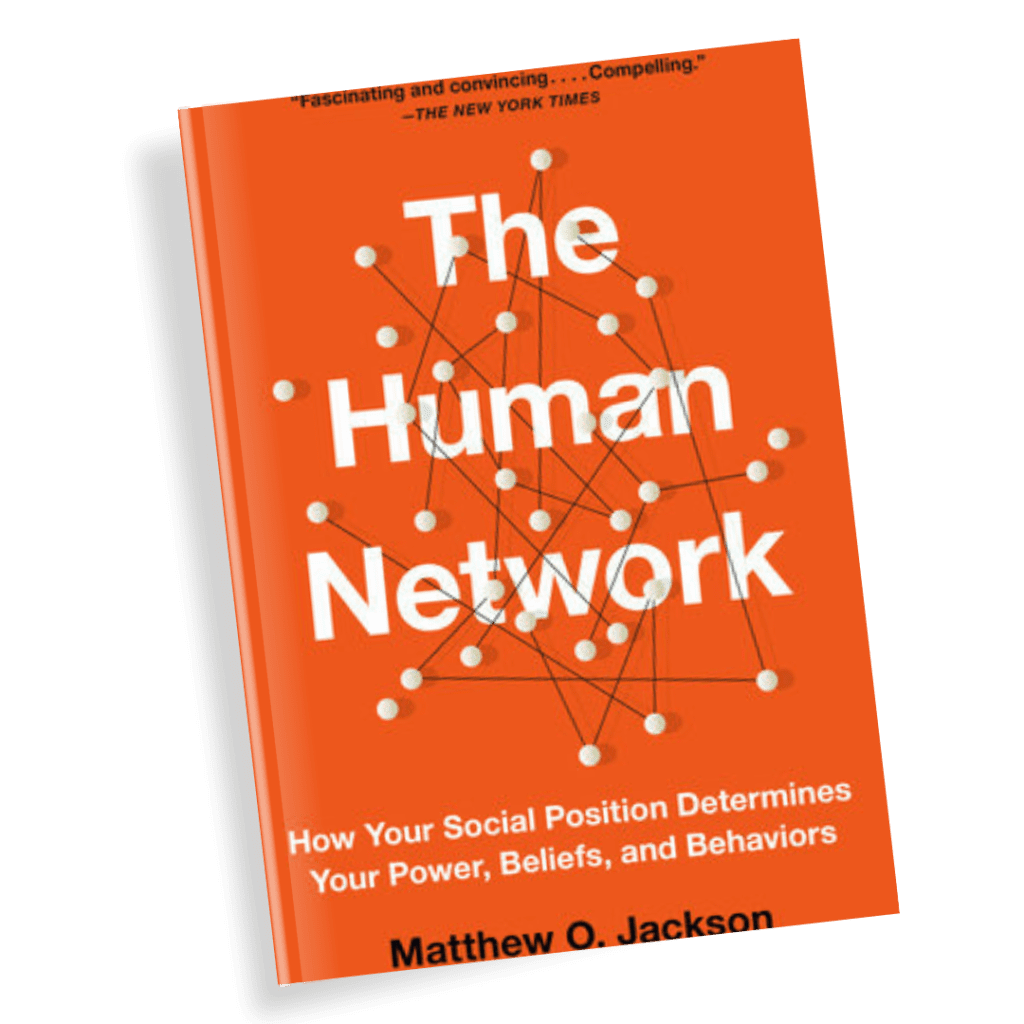
As Matthew O. Jackson explores in The Human Network, our success is shaped not just by tools, but by how we build and maintain relationships. For founders, those relationships are your community, your customers, your collaborators. And they deserve more than templated replies or AI-generated scripts.
Knowing what we know, we can likely agree on a few things: AI has already changed the landscape of everyday human-to-technology interaction. Avoiding AI will not help you save the world, but you can approach your adaptation intentionally and methodically.
So, how do you maintain your core values while adopting AI and the ever-changing technology landscape?
Five Pillars of Ethical AI
Adoption of AI with integrity is about establishing principles that guide every technology decision, not just this one. Here are five key principles specifically for founders and small business owners can use for ethical AI implementation:
1.Transparency Over Black Boxes
The principle: If you can’t explain how your AI works to your customers, you shouldn’t be using it on your customers.
In practice: This means choosing explainable AI systems over complex models that deliver better performance but zero insight. When chatbots handle customer inquiries, ensure users know they’re talking to AI. When AI influences pricing or recommendations, the logic is transparent. Transparency builds trust, and trust builds loyalty.
2. Human Agency, Not Replacement
The principle: AI should amplify human capability, not eliminate human judgment from critical decisions or even the positions they hold.
In practice: This means maintaining “human-in-the-loop” systems for important customer interactions, creative decisions, and strategic choices. AI can handle data processing, pattern recognition, and routine tasks while real people handle relationships, ethics, and complex judgment calls. Consider transitioning the humans in roles that are being replaced by AI into new roles that didn’t exist before AI. We are all learning in real time, and so can your team members. This could be a real opportunity to find a new hidden talent on your team!
3. Privacy as a Competitive Advantage
The principle: Your customers’ data is not your product.
In practice: This means implementing data minimisation (collecting only what you need), clear retention policies (deleting what you don’t need), and giving users control over their information. It also means choosing AI providers that align with these values and not using the free version of any AI technology for anything confidential. Before implementing any AI tool, ask: What data does this require? Where is it stored? Who has access? Can users opt out? If you can’t answer these questions, consider finding a different solution.
4. Inclusive by Design
The principle: AI systems should work for everyone, not just the majority demographic.
In practice: This means testing AI outputs across diverse user groups, actively identifying potential biases, and building systems that are accessible to users with different abilities, backgrounds, and needs.
5. Sustainable and Purposeful Implementation
The principle: Not every process needs AI, and every AI implementation should serve your core mission.
In practice: This means being selective about AI adoption, measuring impact beyond efficiency metrics, and considering the environmental and social costs of AI systems. Before implementing AI, ask: Does this help us better serve our customers? Does it strengthen our core mission? Does it create more meaningful work for our team? Can I offset the used resources for the added convenience of AI? If the answers are no, the efficiency gains probably aren’t worth it.
For founders who want to ensure they’re building with integrity, it’s worth taking a look at UNESCO’s recommendations on the Ethics of Artificial Intelligence. As the first global standard-setting framework on AI ethics, it emphasises principles like transparency, accountability, human oversight, privacy, and non-discrimination. While it was designed for governments and policymakers, its core message applies directly to entrepreneurs: AI should always serve people – not replace or exploit them. Founders who align their tech strategies with these values are far more likely to build businesses that are not only future-proof, but trusted and respected in the long term.
Building for Tomorrow’s Challenges
The AI landscape will continue evolving rapidly. Regulations are coming and consumer expectations are rising. Soon, systematic and transparent approaches to AI governance won’t be optional – they’ll be demanded by stakeholders, investors, and customers. The companies building these capabilities now will have sustainable competitive advantages over those scrambling to catch up later.
Your AI implementations should make your company more efficient, more capable, and truer to its mission – not less. The founders who understand this will lead the AI revolution.
This article was written with the assistance of AI and edited by the Follow the Founder team.
👉 Curious about how your business shows up in AI tools and search engines?
Check out our companion article: How to Optimise Your Digital Footprint for AI Discovery (link coming soon)
At Follow the Founder, we aim to foster a community of growth and support and provide a platform to share the diverse journeys of business owners. Got a story to tell or want to weigh in? We want to hear from you.
Want to Keep Reading?
The Human Network: Matthew O. Jackson
How our sometimes hidden positions in various social structures (our human networks) shape how we think and behave, and inform our very outlook on life.