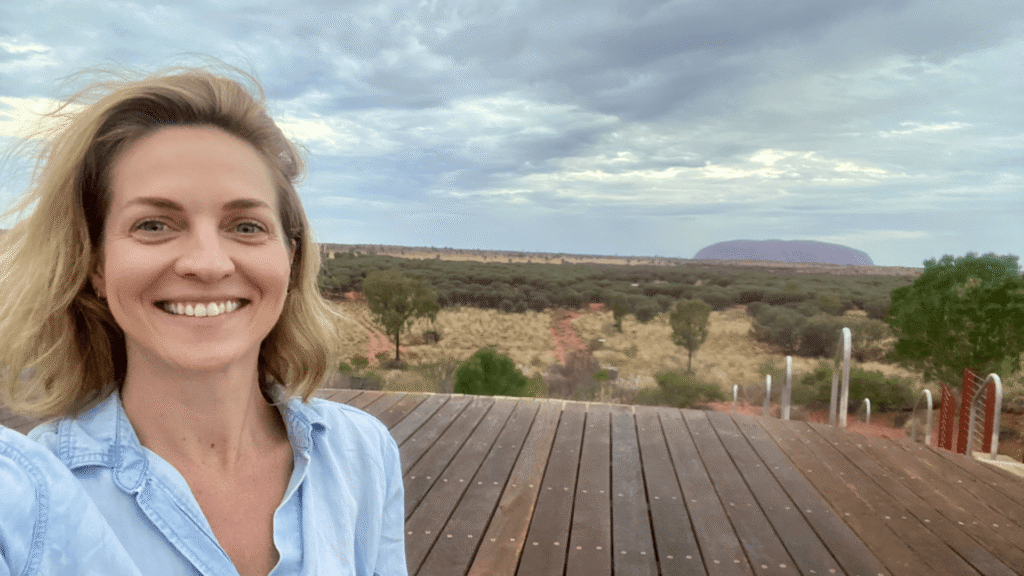
Making the leap from a traditional office job to a digital nomad lifestyle is an exciting and transformative decision. The dream of traveling the world while maintaining a steady income has become more achievable than ever. With remote work on the rise and a growing number of countries offering digital nomad visas, the opportunity to break free from the confines of the office and embrace a location-independent lifestyle is within reach.
In this blog, we’ll walk you through the practical steps you need to take once you’ve made the decision to leave office life behind and fully embrace the digital nomad lifestyle. From adjusting your mindset to managing the logistics of working while traveling, we’ll cover everything you need to know to successfully transition into your new, free lifestyle.
Why the Digital Nomad Lifestyle is So Appealing
The allure of the digital nomad lifestyle goes far beyond the idea of working in your pajamas or posting Instagram photos from exotic locations. It offers something deeper – a sense of freedom and autonomy that can be hard to find in the traditional office environment.
Key benefits of the digital nomad lifestyle include:
- Freedom of Location: You can choose where to live and work, whether it’s a bustling city, a quiet beach, or a remote mountain cabin. The world is your office.
- Improved Work-Life Balance: You no longer have to work around the constraints of office hours or commute. You can design your workday to suit your needs and lifestyle.
- Cultural Immersion: Traveling to new places allows you to immerse yourself in different cultures and broaden your horizons. This can be both personally enriching and professionally inspiring.
- Personal Growth: The challenges of being a digital nomad – from navigating new countries to managing your own business or career – can lead to rapid personal growth. The flexibility also fosters creativity and innovation.
While the perks are undeniable, transitioning into a digital nomad lifestyle requires careful planning and realistic expectations. In this blog, we’ll help you navigate the most critical steps to ensure your smooth transition from office worker to world traveler.
Step 1: The Mental Shift – Adapting to Your New Lifestyle
One of the biggest challenges of becoming a digital nomad is the mental shift required to leave behind the structure and security of office life. It’s important to understand that as a digital nomad, you won’t have a boss or set office hours. Instead, you will have to rely on your own motivation, discipline, and time management skills to maintain a productive work-life balance.
Here are a few mindset shifts you’ll need to make:
- Embrace Flexibility: Working remotely offers you the freedom to choose when, where, and how you work. However, this flexibility can be overwhelming without clear boundaries. You’ll need to adapt by creating a routine that works for you and allows for both work and leisure time.
- Overcome the Fear of the Unknown: Leaving the security of a stable office job can be intimidating. It’s common to feel anxious about income stability, healthcare, and other uncertainties. The key is to take small, manageable steps toward your goal and trust that your preparation will pay off.
- Be Comfortable with Ambiguity: Life as a digital nomad is often unpredictable. Travel plans may change, you might face challenges with different time zones, or you may run into unexpected expenses. Embrace the uncertainty and develop resilience by focusing on solutions, not problems.
Step 2: Setting Financial Goals – Budgeting for the Digital Nomad Life
One of the most important aspects of preparing for the digital nomad lifestyle is ensuring you have the financial stability to support yourself as you transition. Unlike a traditional office job, where you receive a steady paycheck, being a digital nomad requires a more proactive approach to financial planning.
Build a Financial Cushion
Before you leave your office job, you should aim to save at least three to six months of living expenses. This financial cushion will provide peace of mind while you establish your remote income streams and settle into your new lifestyle. Start by reviewing your current expenses and identifying areas where you can cut back. This will help you set realistic savings goals and build a safety net for your move.
Track Your Expenses and Create a Budget
When you begin working remotely and traveling, your expenses will likely fluctuate. Some months will be more expensive due to travel, accommodation, and excursions, while other months will be less costly. Establishing a budget that accounts for variable expenses will help you stay on track financially. Consider the following factors:
- Accommodation: This is one of your most significant ongoing expenses. Look into affordable destinations or co-living spaces that cater to digital nomads.
- Healthcare: As you won’t have employer-sponsored insurance, make sure to research international health insurance options that cover you while traveling.
- Taxes: Depending on your home country and where you’re traveling, you may still need to pay taxes in both locations. Consult a tax professional to make sure you understand your obligations as a digital nomad.
Create Multiple Income Streams
Many digital nomads don’t rely on just one source of income. Instead, they build a portfolio of revenue streams that allow them to sustain their lifestyle. Some common income sources for digital nomads include freelance work, e-commerce businesses, online consulting, and passive income from investments. Having multiple income streams can provide financial security and allow you to maintain flexibility as you travel.
Step 3: Finding Remote Work Opportunities
One of the most exciting aspects of becoming a digital nomad is the opportunity to work remotely while traveling. But finding remote work can be challenging, especially if you’re transitioning from a traditional office job. The good news is that there are a wide variety of remote work opportunities available for skilled professionals.
Freelancing and Consulting
Freelancing is one of the most popular ways to work remotely as a digital nomad. Depending on your skills, you can offer services such as writing, web development, design, marketing, or virtual assistance. Websites like Upwork, Fiverr, and Freelancer connect freelancers with clients in need of their expertise.
Consulting is another remote option that allows you to work with clients and businesses on a project basis. If you have experience in areas like business strategy, finance, or marketing, you can offer consulting services remotely.
Remote-Friendly Jobs
Many companies now offer remote positions that allow you to work from anywhere. Remote-friendly jobs are available across industries, from tech to education to marketing. Job boards like We Work Remotely, Remote.co, and FlexJobs specialize in listing remote job opportunities.
Building an Online Business
If you have entrepreneurial ambitions, building an online business can be a great way to achieve location independence. E-commerce stores, online courses, affiliate marketing, and digital products are just a few examples of online businesses that can generate income while you travel.
Step 4: Navigating Travel Logistics – Accommodation, Visas, and Health Insurance
Traveling while working remotely comes with its own set of logistical challenges. The key to managing these challenges is thorough planning.
Accommodation
Finding accommodation as a digital nomad depends on your destination and travel preferences. Many digital nomads choose to stay in affordable countries with established nomad communities. Co-living spaces are also popular as they offer both accommodation and a built-in network of like-minded individuals. Websites like Nomad List and Selina provide resources for nomads looking for short- or long-term stays.
Visas and Legal Requirements
Many countries now offer digital nomad visas that allow you to work remotely while living in their country for an extended period. Research visa requirements for the countries you plan to visit to ensure you stay compliant. For example, Estonia, Portugal, and Barbados all offer specific visas for remote workers.
Health Insurance
While traveling, having health insurance is essential. International health insurance plans like SafetyWing, World Nomads, and IMG provide coverage for digital nomads. Be sure to choose a plan that offers global coverage, including emergency medical services, repatriation, and any specific needs you may have while on the road.
Step 5: Maintaining a Work-Life Balance
The flexibility of the digital nomad lifestyle can be both a blessing and a curse. It’s easy to fall into the trap of overworking, especially when your workspace is wherever you happen to be. To maintain a healthy work-life balance:
- Set clear boundaries for when and where you work. Having a dedicated workspace can help you stay focused.
- Schedule time for exploration and relaxation. The beauty of being a digital nomad is the ability to experience new places, so make sure to prioritize travel and leisure.
- Practice self-care. Traveling and working remotely can be stressful at times, so make time for rest, exercise, and healthy eating.
Your Digital Nomad Journey Begins Now
Transitioning from office life to location independence is a big step, but with proper planning and the right mindset, you can make it happen. By setting financial goals, finding remote work opportunities, and embracing the logistics of travel, you’ll be well on your way to living the digital nomad lifestyle.
What’s your biggest concern about becoming a digital nomad? Share your thoughts with us in the comments, and let’s take the first step together toward a life of freedom and adventure.
Want to Keep Reading?
The 4-Hour Work Week: Timothy Ferriss
A blueprint for escaping the traditional 9-to-5 grind by leveraging automation, outsourcing, and lifestyle design to achieve financial freedom and live life on your own terms