There’s a strange sameness creeping across the internet right now.
Scroll LinkedIn for ten minutes and you’ll probably see the exact same founder story rewritten fifty different ways. Open Instagram captions and suddenly every brand sounds vaguely identical. Even blogs and newsletters are starting to blend together into one endless stream of polished, emotionally neutral content that technically says something while somehow saying absolutely nothing at all.
A lot of that comes back to AI.
Not because AI generated content is automatically bad, but because so many businesses are now relying on the exact same tools trained on the exact same information. The result is a kind of flattening of personality online. Brands sound safer, smoother and more optimised, but also increasingly less memorable.
Ironically, the easier content becomes to produce, the harder it becomes to actually connect with people.
The Internet Is Starting To Feel Artificial
Founders are under enormous pressure to create more than ever before. More posts. More blogs. More visibility. More commentary. More thought leadership. AI has made that process faster, but it has also dramatically increased expectations around output.
Instead of technology giving founders more breathing room, many people now feel guilty if they are not leveraging every AI tool possible to keep up with competitors.
That pressure is starting to create a version of the internet that feels strangely artificial.
Consumers are noticing it too, even if they cannot always explain exactly why something feels off. There’s a growing fatigue around overly polished content that sounds emotionally empty or suspiciously generic.
People are becoming better at spotting fake vulnerability, recycled storytelling and AI generated language patterns. Maybe not perfectly every time, but enough that audiences are beginning to crave brands that still feel distinctly human.
Personality Is Becoming A Competitive Advantage Again
You can already see a shift happening where personality itself is becoming a competitive advantage again. The businesses people continue connecting with tend to sound specific, opinionated and grounded in lived experience rather than endlessly optimised for engagement.
Audiences still want expertise, but they also want perspective. They want to feel like there are actual humans behind the content rather than businesses generating endless marketing noise simply because the algorithm rewards frequency.
This creates an interesting challenge for founders because AI genuinely is useful. Most businesses now use it in some capacity, whether for brainstorming, admin support, customer service, automation or content assistance.
There’s nothing inherently unethical about that. The issue appears when founders stop using AI as a support tool and begin outsourcing entire brand personalities, communication styles and emotional connections to automation.
People still buy from people, even in highly digital industries.
Performative Branding And AI
That becomes particularly obvious during moments like Pride Month, where companies flood social media with scheduled allyship campaigns and heavily polished corporate messaging.
Consumers are becoming increasingly skeptical of performative branding, especially when businesses publicly position themselves as ethical or community focused while privately operating in ways that feel disconnected from those values.
AI generated inclusivity messaging often amplifies that disconnect because it can feel sanitised and impersonal very quickly.
The same thing is beginning to happen across founder culture more broadly. Startup branding used to revolve around authenticity, transparency and building communities around real stories. Now many founder accounts feel like they’ve been filtered through the same AI generated formula designed to maximise engagement rather than communicate anything meaningful.
Every founder becomes resilient. Every business becomes disruptive. Every post becomes a life lesson. Eventually audiences stop listening because the internet starts sounding like one giant corporate networking event.
The Burnout And Environmental Conversation
At the same time, there’s another side to this conversation that deserves attention. Founders themselves are exhausted. AI has not necessarily reduced burnout culture. In many ways, it has intensified it.
Businesses are now expected to operate at an almost impossible pace because technology allows them to. The pressure to constantly create, optimise and remain visible online has become relentless. Instead of asking whether endless content production is actually valuable, many businesses simply continue producing more because the systems reward volume over depth.
That creates environmental consequences too, despite digital content often feeling invisible. AI systems rely on huge amounts of physical infrastructure including servers, cooling systems, water usage and energy consumption.
Conversations around sustainability often focus on tangible industries like fashion, shipping or manufacturing, but the digital world has a footprint too. As conversations around World Ocean Day and environmental responsibility continue growing, founders may eventually need to think more critically about digital overconsumption as well.
The internet does not necessarily need more content. It probably needs better content. More thoughtful content. More human content. More perspective driven conversations that are rooted in actual experience rather than endlessly recycled summaries of existing information.
What’s becoming increasingly clear is that audiences are craving texture again. Imperfection. Nuance. Personality. The rough edges that make brands feel believable.
Perfectly polished content is starting to feel suspicious because AI has become so good at producing it at scale. Ironically, slightly messier and more human communication is now standing out precisely because it feels harder to fake.
None of this means businesses need to reject AI entirely. That conversation is far too simplistic for the reality most founders are operating within. AI will continue becoming embedded into modern business whether people like it or not.
But the brands that survive long term probably won’t be the ones generating the highest volume of automated content. They’ll be the ones that understand technology should support human connection rather than replace it completely.
Because at the end of the day, audiences do not really remember the most optimised brands. They remember the ones that actually made them feel something
The future of tech, AI and ethical business isn’t black and white, and honestly, that’s what makes it interesting. We’d love to hear your perspective, your experiences and probably your unpopular opinions too.
Drop your thoughts in the comments, share this with another founder, or explore more conversations around building businesses that are ambitious, human and actually worth creating.
If this conversation resonated, you’ll find more of it inside the Follow the Founder community.
We share honest conversations about leadership, brand building, AI, influence, and what it really takes to build something meaningful. No noise. No recycled advice. Just lived experience from founders who are in it.
Follow along, subscribe to our newsletter, and join the conversation. The future of founder content will not be automated. It will be intentional.
For frequent travellers, having mobile data ready when you land can make things much easier. Airalo is one simple option for staying connected abroad.
Want to Keep Reading?
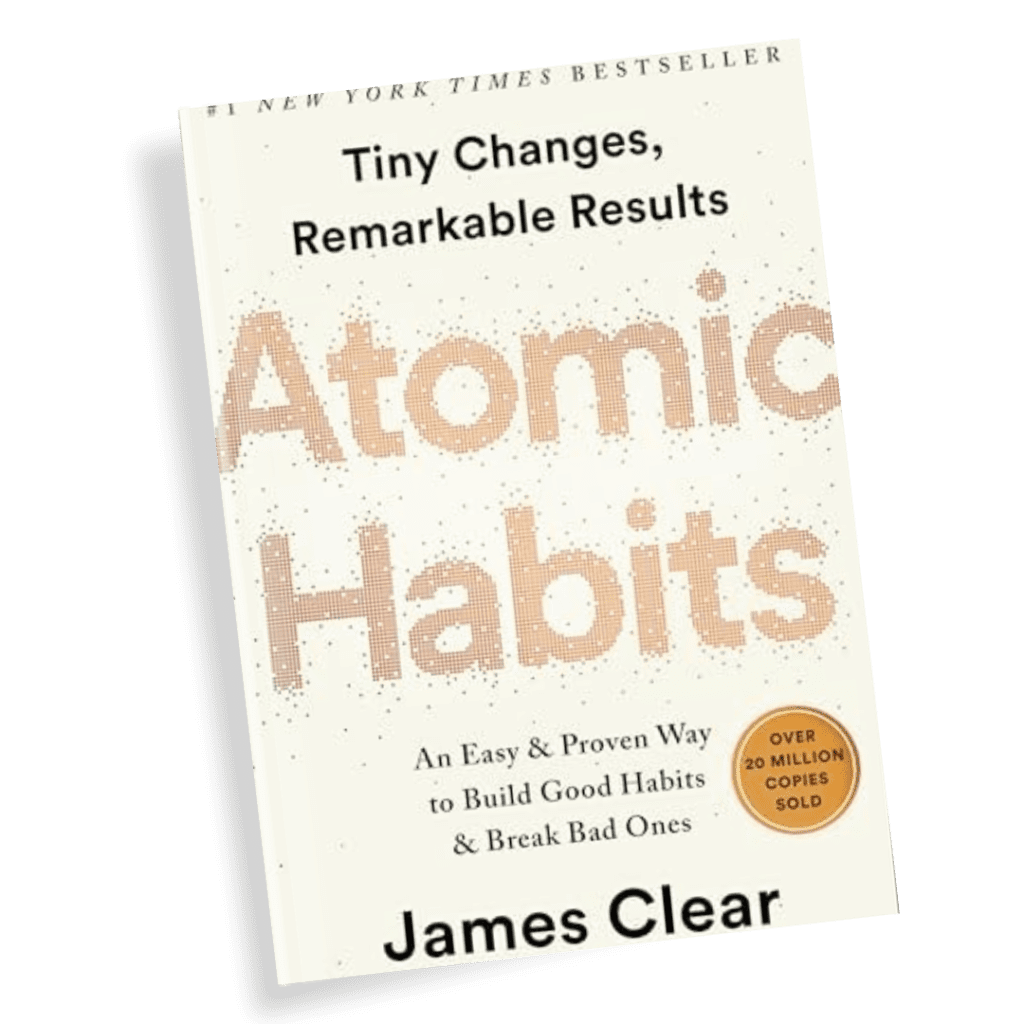
Atomic Habits: James Clear
Atomic Habits offers a proven framework for improving–every day. James Clear reveals practical strategies that will teach you exactly how to form good habits, break bad ones, and master the tiny behaviors that lead to remarkable results.