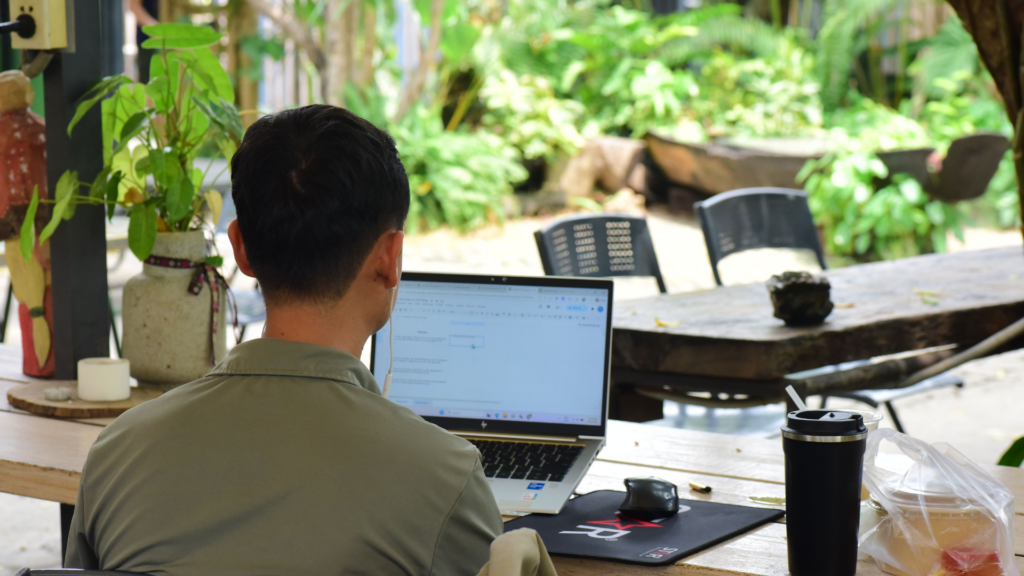
There was a time when the path through working life appeared relatively straightforward. You found a career, worked your way upwards, changed companies occasionally, collected a few increasingly impressive job titles and eventually retired with some combination of savings, a pension and hopefully enough energy left to enjoy it. Of course, real life was never quite as tidy as the brochure suggested, but the basic structure was familiar. Work happened in workplaces. Employees worked for employers. Businesses hired people who lived reasonably close to their offices. Starting a company was something you either did full-time or, according to conventional wisdom, probably shouldn’t do at all.
That version of work has been quietly unravelling for years, and over the next decade it’s likely to become even harder to recognise. Remote work has already separated jobs from geography. Global hiring means a company in Sydney might have a designer in Malta, a developer in Manila and a client in London, with nobody particularly concerned that they’ve never occupied the same room. Artificial intelligence is beginning to sit somewhere between software, assistant and collaborator. Meanwhile, more people are experimenting with freelance work, portfolio careers, consulting and businesses they build alongside employment rather than dramatically quitting their jobs on a Friday and announcing themselves as a founder on Monday morning.
It’s tempting to look at all of this and conclude that the future of work is unstable. In many ways, it probably is. Careers may become less linear, job descriptions less fixed and the skills businesses need considerably more fluid. But instability and disaster aren’t necessarily the same thing. Sometimes instability simply means the old structures are changing faster than the new ones can take their place, and that uncomfortable middle ground can create possibilities alongside uncertainty.
The question isn’t really how we can make work predictable again. We probably can’t.
The more useful question is how we build careers, businesses and lives that can adapt when it isn’t.
The Career Ladder Is Starting to Look More Like a Jungle Gym
For decades, career progression was described as a ladder for a reason. There was a bottom, a top and a reasonably obvious direction of travel between them. You became junior something, then something, then senior something, then perhaps head of something, and eventually you reached a point where your LinkedIn headline became so long nobody outside your industry quite understood what you did anymore. Success was closely connected to upward movement, and changing direction could easily be interpreted as losing momentum.
That model makes considerably less sense when you look at how people are beginning to work today. Someone might spend ten years in corporate marketing, leave to freelance, build an agency, sell it, consult for startups and eventually take a part-time leadership role in another company. Someone else might return to work after raising children and discover that the career they left isn’t the one they want to return to. Increasingly, the most interesting professional lives don’t resemble ladders at all. They’re collections of experiences, skills, relationships and experiments that occasionally make perfect sense only in hindsight.
For founders, this shift is particularly interesting because entrepreneurship no longer needs to represent a dramatic departure from employment. The old mythology of starting a business tends to involve quitting your job, risking everything and surviving on determination and instant noodles until somebody writes a profile about your extraordinary success. It’s a good story, but it’s not the only way businesses are built. The rise of part-time founders, consultants with products, employees with side businesses and people building companies gradually around existing commitments is creating a much broader definition of entrepreneurship.
Perhaps that’s healthier. Not everyone has the savings, family circumstances or appetite for risk required to burn the boats and hope everything works out. A world in which entrepreneurship can begin with five hours a week rather than a resignation letter opens the door to people who might otherwise never consider themselves founders at all.
Geography Is Becoming Less Important. Perspective Isn’t.
Remote work was once treated as an unusual workplace benefit, usually reserved for freelancers, technology companies and the occasional employee who had successfully negotiated working from home on Fridays. Now, for millions of people, location has become considerably less connected to professional opportunity. A business can recruit talent across countries and time zones without opening another office, while an individual can increasingly build an international career without relocating to one of the traditional centres of their industry.
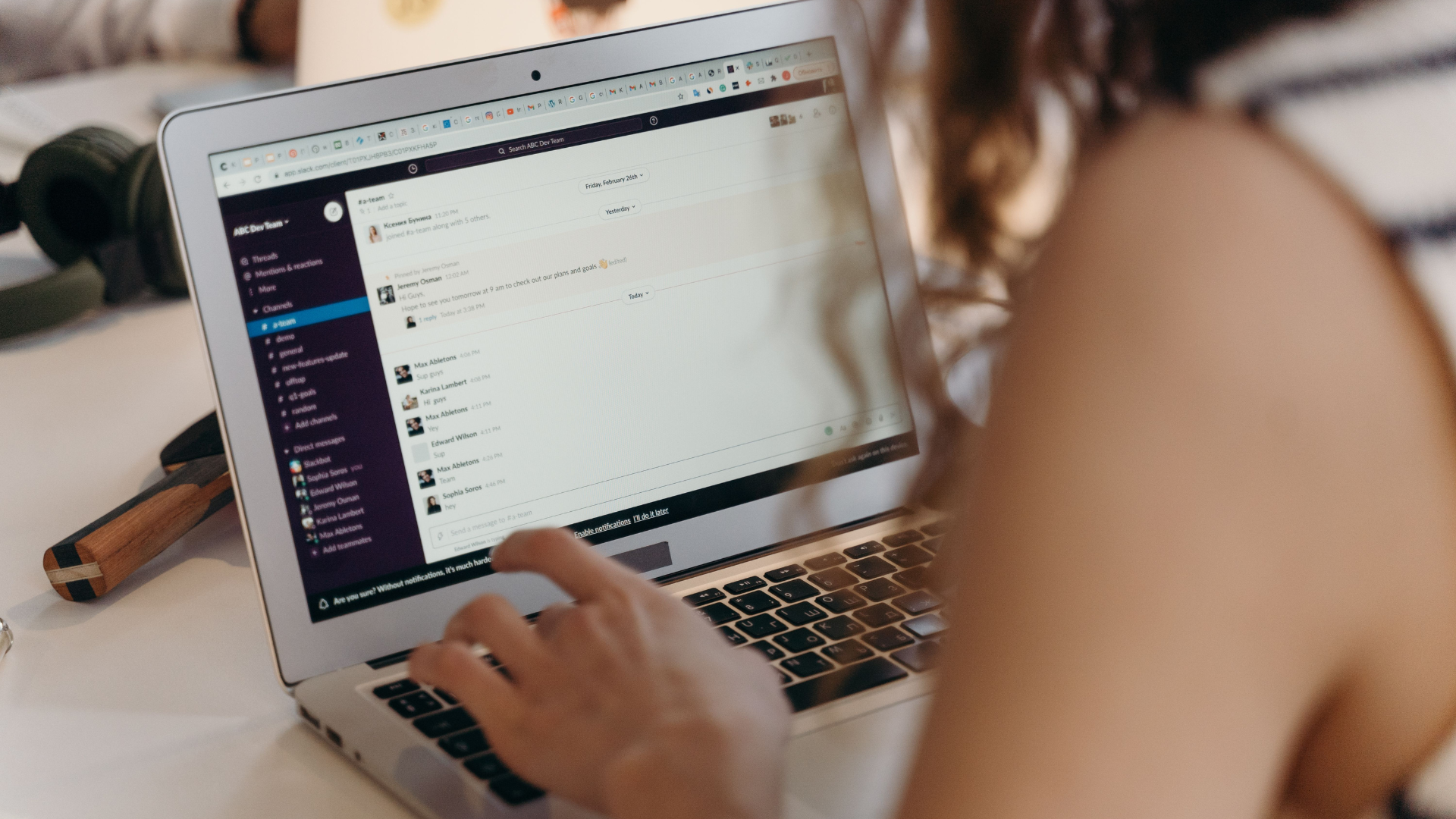
That has enormous implications for founders. Global hiring creates access to people with different skills, experiences and perspectives, often far beyond the founder’s immediate network. It can make companies more flexible and create opportunities for talented people who previously lived too far from the “right” cities. It also introduces a new set of leadership challenges. Managing people across cultures, time zones and communication styles requires considerably more intention than simply putting everyone into Slack and hoping they’ll work it out.
The same is true for employees. Remote work has created freedom, but freedom comes with its own complications. When the office can theoretically be anywhere, work can also follow us everywhere. The laptop on the kitchen table is wonderfully convenient until it starts feeling like a colleague who refuses to go home. The next generation of successful companies may not be those that simply offer remote work, but those that become genuinely good at designing cultures where distance doesn’t translate into disconnection or permanent availability.
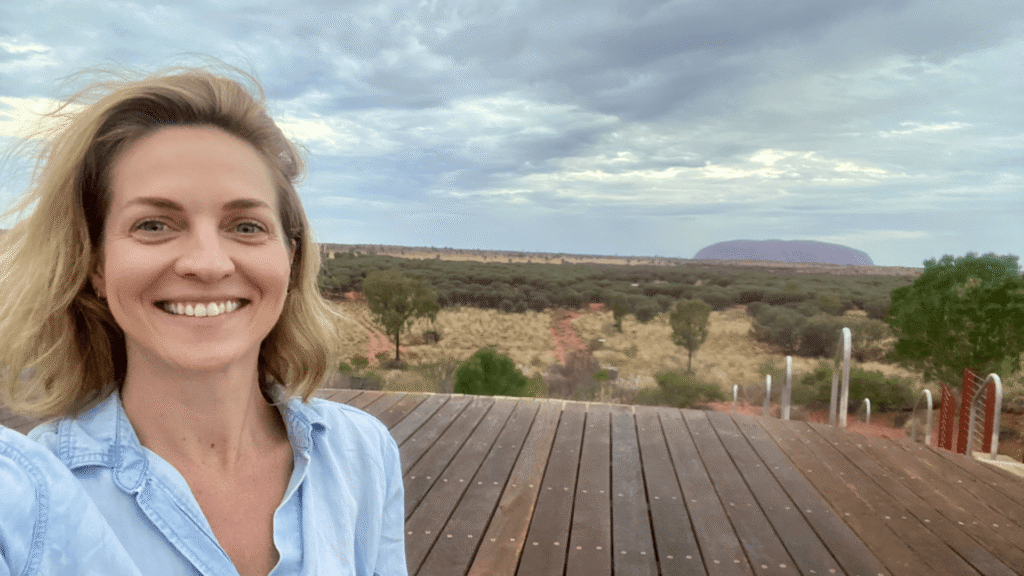
Annalee’s own journey offers an interesting example of how dramatically this relationship between geography and ambition has changed. Leaving California, travelling as a digital nomad and eventually settling in New Mexico didn’t require her to step away from being a CEO or reduce the scale of what she wanted to build. A generation ago, moving away from a major business centre could have meant stepping away from opportunity. Increasingly, the two decisions have very little to do with one another.
AI Probably Won’t Replace Everyone. It Will Change What Everyone Does.
It is almost impossible to have a conversation about the future of work without somebody announcing that artificial intelligence is about to eliminate half the workforce. Depending on which corner of the internet you’ve wandered into, we’re either weeks away from never needing to work again or approximately three software updates away from societal collapse. Neither interpretation leaves much room for nuance.
The more immediate reality is less cinematic and probably more consequential. AI is beginning to change the individual tasks that make up people’s jobs. Writing, research, administration, analysis, customer support, coding, design and countless other areas are already being affected, but jobs are rarely a single task. They’re collections of responsibilities, relationships, judgement calls and decisions. As some parts become automated, the value of other parts may increase.
This is where adaptability becomes far more useful than trying to predict exactly which job titles will exist in 2035. People who learn how to work alongside AI, question its output, recognise where human judgement matters and use technology to extend their capabilities are likely to be in a very different position from those who either ignore it completely or assume pressing a button is now a substitute for expertise. We’ve already talked at Follow The Founder about the strange flood of generic AI content making the internet feel increasingly synthetic. The lesson isn’t that technology has no value. It’s that when everyone has access to the same tools, perspective becomes more valuable, not less.
The future of work may therefore involve a slightly strange partnership between increasingly capable technology and increasingly important human judgement. AI can produce options. Humans still need to understand which option makes sense, whether it should exist at all and what impact it might have on another person. The technology will undoubtedly improve, but so will our understanding of where we actually want it involved.
The Rise of the Part-Time Founder
Perhaps one of the most interesting changes ahead has nothing to do with technology. It’s the possibility that the word “founder” itself becomes much less rigid.
We’ve spent decades romanticising entrepreneurship as an all-consuming identity. Founders work constantly, risk everything, live and breathe their businesses and answer the question “What do you do?” with the name of the company they’ve created. For some people, that remains exactly the life they want. But a growing number of people seem less interested in choosing a single professional identity and more interested in building several things that work together.
That might mean working three days a week for an organisation while spending two building a company. It might mean consulting for several businesses while developing a product in the background. It might mean running a small profitable business without any ambition to hire fifty people or raise venture capital. For women returning to work after having children, experienced professionals reconsidering their careers in their forties and fifties, or anyone who simply doesn’t want their business to consume their entire life, this more flexible model of entrepreneurship could be particularly powerful.
There’s also something refreshingly practical about it. Starting something alongside another source of income gives ideas time to prove themselves. It allows founders to learn without immediately placing enormous financial pressure on the business. Perhaps most importantly, it separates entrepreneurship from the idea that legitimacy requires suffering. You don’t become more of a founder because you haven’t slept properly since 2023.
The businesses of the future may not all be designed to become enormous companies. Some will be built to create independence, flexibility, creative satisfaction or an additional stream of income. That doesn’t make them less serious. It simply means we’re getting better at recognising that businesses can serve different purposes in different people’s lives.
Preparing for an Uncertain Future Doesn’t Mean Panicking About It
When change happens quickly, there’s an understandable temptation to prepare for every possible version of the future simultaneously. Learn AI. Build a personal brand. Start a side hustle. Become a thought leader. Diversify your income. Learn to code. Start a newsletter. Apparently we should all also be filming ourselves talking to camera several times a day while somehow maintaining meaningful relationships and drinking enough water.
It’s exhausting, and it isn’t particularly useful.
Preparing for uncertainty doesn’t require predicting everything that’s going to happen. It means building enough flexibility into our working lives that change doesn’t automatically become catastrophe. Skills that transfer between industries matter. Relationships matter. Financial breathing room matters. Curiosity matters. Being willing to learn something new without immediately needing to become the world’s foremost expert in it matters.
For founders, resilience may increasingly come from avoiding unnecessary rigidity. Businesses built around one platform, one client, one revenue stream or one very specific way of working are naturally more exposed when circumstances change. That doesn’t mean every company needs twelve contingency plans and a bunker. It simply means the ability to experiment, adjust and occasionally admit that the original plan no longer makes sense is becoming an increasingly valuable competitive advantage.
The same principle applies to careers. Nobody can guarantee which skills will be valuable ten years from now, but we can remain curious enough to keep developing them. We can pay attention to what is changing without treating every headline as an instruction to reinvent our lives by Tuesday.
Maybe Stability Was Never Quite What We Thought It Was
There is a certain nostalgia around the idea of stable work, but it’s worth remembering that the old system wasn’t universally secure either. Companies closed. Industries disappeared. People were made redundant after decades of loyalty. Careers were interrupted by illness, family responsibilities, economic downturns and circumstances nobody could have anticipated. The promise of stability was comforting, but it was never absolute.
What may be changing now is our willingness to acknowledge that reality. Instead of depending entirely on institutions to create security for us, more people are building security through adaptability. They’re developing multiple skills, maintaining professional networks across industries, experimenting with different income streams and becoming more comfortable with the possibility that their next chapter might look quite different from the one they’re currently living.
There is uncertainty in that, undoubtedly. But there is also freedom. A career that isn’t tied to one employer can survive a redundancy. A business that can hire globally isn’t restricted by the talent available within commuting distance. A founder who can use technology intelligently can achieve things that once required a much larger team. Someone who no longer believes they need to choose one professional identity for the rest of their life has considerably more room to change their mind.
Perhaps the future of work isn’t stable.
Perhaps our ability to adapt is what becomes stable instead.
Final Thoughts
Nobody knows exactly what work will look like ten years from now, and anyone claiming otherwise probably has a course they’d like to sell you. AI will change jobs. Remote and global work will continue to challenge assumptions about where businesses belong. Entrepreneurship will evolve, and the line between employee, freelancer, consultant and founder may become increasingly difficult to draw. Some changes will create genuine disruption, and pretending otherwise isn’t particularly helpful.
But uncertainty doesn’t automatically deserve fear. Every major shift in how we work has created things that disappeared and things that became possible. The challenge is learning how to hold both ideas at once without drifting towards either blind optimism or the internet’s preferred alternative, complete existential panic.
We may not be able to build careers around certainty anymore. Perhaps that’s not the goal.
We can build them around curiosity, adaptability, relationships, judgement and the confidence that if the world of work changes again, we’ll change with it.
The right setup can make working from home a lot more comfortable. Browse remote-work essentials on Amazon for practical additions to your workspace.
Ready for whatever comes next?
At Follow The Founder, we’re interested in what the changing world of work means for the people actually living through it. Because the future might be uncertain, but that doesn’t mean we have to be afraid of it. Sometimes the most interesting opportunities appear when the old rules stop making quite as much sense.
If this conversation resonated, you’ll find more of it inside the Follow the Founder community.
We share honest conversations about leadership, brand building, AI, influence, and what it really takes to build something meaningful. No noise. No recycled advice. Just lived experience from founders who are in it.
Follow along, subscribe to our newsletter, and join the conversation. The future of founder content will not be automated. It will be intentional.
If you’re travelling abroad, Airalo makes it easy to stay connected with an eSIM without having to buy a physical SIM when you arrive.
Want to Keep Reading?
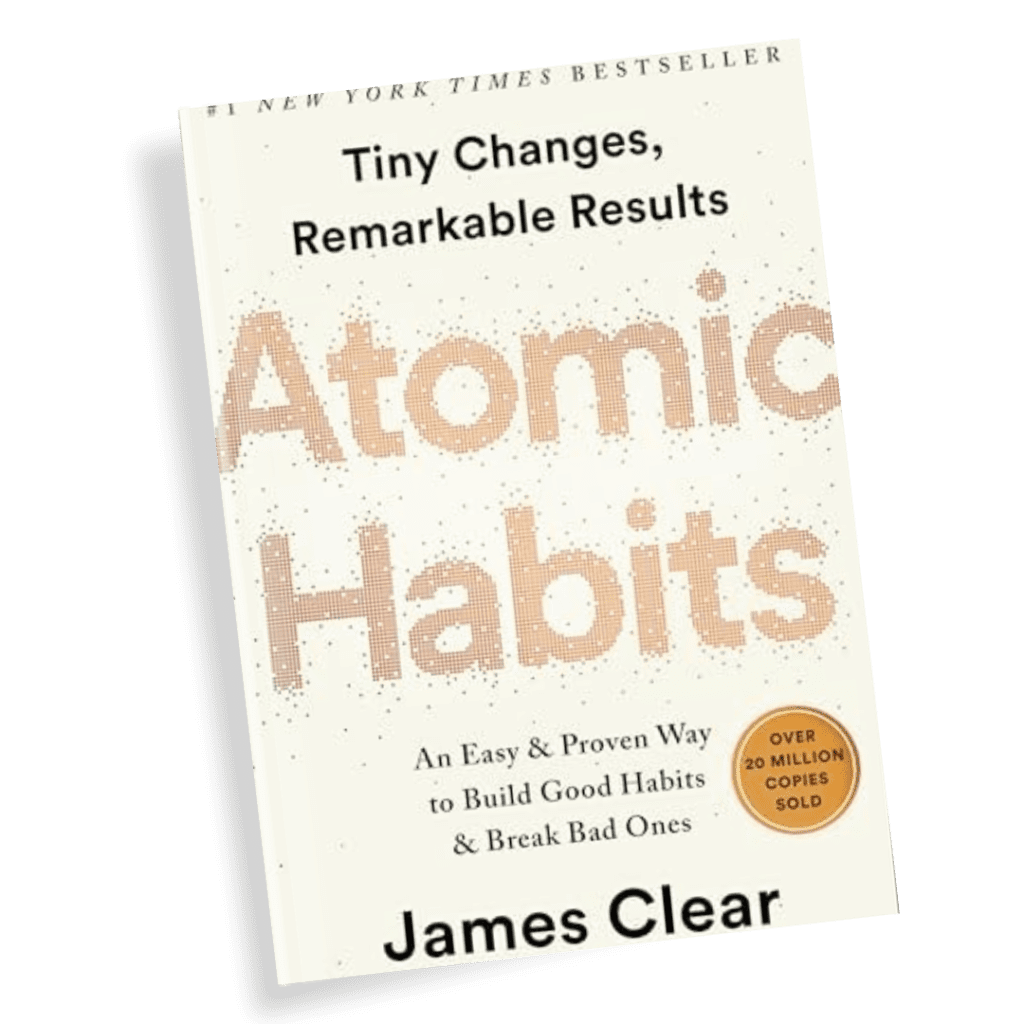
Atomic Habits: James Clear
Atomic Habits offers a proven framework for improving–every day. James Clear reveals practical strategies that will teach you exactly how to form good habits, break bad ones, and master the tiny behaviors that lead to remarkable results.