There’s a very specific type of founder on LinkedIn right now.
They’ve “replaced their entire team with AI”. They “built a six figure business in 48 hours”. They’re posting ChatGPT prompts like they’ve discovered fire. They’re automating customer support, strategy, sales, branding, marketing, copywriting, legal docs and probably their own personality at this point too.
And honestly? Some of it is impressive.
AI is changing how businesses operate. It’s making things more accessible. Faster. Cheaper. More scalable. For early stage founders especially, that matters. When you’re bootstrapping a business at 2am while eating toast for dinner, the appeal of AI is obvious. But somewhere along the way, the conversation around AI became weirdly black and white.
Either you’re fully embracing it and “future focused” or you’re apparently a dinosaur who wants everyone using fax machines. The reality is somewhere in the middle. Because the issue isn’t whether founders should use AI. The issue is whether founders understand what they’re actually trading away when they do. And a lot of them don’t.
AI Is Not Neutral
One of the biggest misconceptions in tech is the idea that AI is somehow objective. It isn’t.
AI systems are trained on human data, human opinions, human behaviour and human biases. Which means they inherit all the messy, flawed, complicated stuff humans already created online. That matters more than people realise.
If your AI hiring tool is trained on biased historical hiring data, it may quietly discriminate against women or minority groups. If your AI content tool scrapes existing artists, writers and creators without consent, your business may indirectly profit from stolen work. If your AI chatbot gives inaccurate mental health advice, legal advice or financial information, who becomes responsible for the fallout?
These aren’t hypothetical future problems anymore. They’re already happening. And startups often sit in the most dangerous middle ground because they move fast, have limited oversight and usually don’t have compliance teams asking hard questions yet.
Founders Love Talking About “Disruption” Until It Affects Them
There’s also something slightly ironic happening in creative industries right now. A lot of founders are excited about AI replacing writers, designers, photographers, musicians and marketers. Right up until someone trains an AI on their product, their ideas or their intellectual property.
Suddenly ownership matters again. Suddenly ethics matter again. Tech culture has always romanticised disruption. But “move fast and break things” becomes less charming when the thing being broken is people’s livelihoods, privacy or trust. And consumers are getting smarter about it.
People are beginning to ask:
- Was this written by AI?
- Was this artwork stolen?
- Is this company using customer data responsibly?
- Do they even know what their software is doing?
Trust is becoming a competitive advantage again. Not because consumers are anti technology. Most aren’t. They’re anti dishonesty.
The GDPR Conversation Startups Keep Ignoring
One of the most dangerous assumptions small businesses make is: “We’re too small for compliance to matter.” That’s simply not true anymore.
If you collect customer emails, website analytics, cookies, health data, payment information or behavioural tracking, you are already dealing with data privacy responsibilities whether you realise it or not.
And if your business touches European users at all, GDPR suddenly becomes very relevant.
A lot of founders still think GDPR is some giant corporate issue reserved for banks and tech giants. It isn’t.
It applies to startups. Freelancers. Online stores. Coaches. Apps. Agencies. Everyone. And AI complicates this even further. Because many AI tools process huge amounts of data behind the scenes, often through third party platforms founders barely read about before clicking “accept”.
Do you know where your customer data is stored?
Do you know whether the AI tool you’re using trains itself on user inputs?
Do you know whether your clients technically consented to that?
Most founders don’t. And honestly, most platforms make it intentionally confusing.
Convenience Is Addictive
AI creates a really interesting ethical trap because it’s genuinely useful. That’s what makes these conversations hard. Nobody wants to admit they’re becoming dependent on something that saves them hours every week. Especially founders. Because founders are tired.
A lot of startup culture quietly rewards burnout. So when AI appears offering faster workflows, easier content creation and instant support, it doesn’t feel unethical. It feels like survival.
And to be clear, there’s nothing inherently wrong with using AI tools. We use them too. Most businesses do now in some form.
The problem starts when founders stop questioning where the line is.
If AI writes all your content, do you still sound human?
If AI creates your customer support, who is accountable when things go wrong?
If AI becomes your strategy, your marketing and your communication style, what exactly are customers connecting with anymore?
Because people still buy from people. Even in tech. Especially in tech.
The Environmental Side Nobody Wants To Talk About
There’s another layer to this conversation that gets buried constantly. AI uses an enormous amount of energy. Training large language models requires massive data centres, water usage and computational power. Every AI generated image, prompt and automation has an environmental footprint attached to it.
And look, nobody’s saying founders need to throw their laptops into the ocean and start communicating via carrier pigeon. But pretending these systems are magically consequence free is dishonest too.Especially when many startups position themselves as ethical, sustainable or socially conscious brands.
You can’t market yourself as environmentally aware while ignoring the infrastructure your business relies on. World Ocean Day conversations often focus on plastic waste and overconsumption. But digital consumption matters too now. The internet feels invisible. It isn’t.
Every “quick AI task” still exists somewhere physically in the world through servers, cooling systems and infrastructure. And the tech industry is going to have to start reckoning with that eventually.
The Real Competitive Advantage Might Be Staying Human
Ironically, the more AI floods the internet with generic content, the more valuable genuinely human brands become. You can already feel it happening. The brands people trust most right now tend to sound specific. Opinionated. Personal. Messy in a believable way.
Not perfectly polished. Not generated.Not optimised within an inch of their life.
Founders are beginning to realise that authenticity cannot really be automated because audiences can feel when something lacks lived experience.
And honestly? Some AI generated content is starting to feel spiritually empty. It’s technically correct but emotionally hollow and it says nothing.
That’s becoming a problem online because the internet is filling with endless recycled summaries of recycled summaries. The businesses that stand out over the next few years probably won’t be the ones using the most AI.
They’ll be the ones using it carefully while still sounding deeply human
So… Should Founders Use AI?
Yes.But thoughtfully. Use it to support your work. Speed up repetitive tasks. Help organise information. Improve accessibility. Reduce admin overload. But don’t outsource your entire brain to it. And definitely don’t outsource your ethics.
Because building an ethical business isn’t about avoiding every grey area perfectly. That’s impossible. It’s about being willing to ask uncomfortable questions before someone else asks them for you.
Especially when you’re small enough to build good habits early. The founders who survive long term probably won’t be the ones blindly chasing every new tool. They’ll be the ones who understand trust still matters. Privacy still matters. People still matter. And no AI tool can build that reputation for you.
The future of tech, AI and ethical business isn’t black and white, and honestly, that’s what makes it interesting. We’d love to hear your perspective, your experiences and probably your unpopular opinions too.
Drop your thoughts in the comments, share this with another founder, or explore more conversations around building businesses that are ambitious, human and actually worth creating.
For anyone working with international clients, teams or suppliers, Wise is worth having on your radar for simpler international money management.
If this conversation resonated, you’ll find more of it inside the Follow the Founder community.
We share honest conversations about leadership, brand building, AI, influence, and what it really takes to build something meaningful. No noise. No recycled advice. Just lived experience from founders who are in it.
Follow along, subscribe to our newsletter, and join the conversation. The future of founder content will not be automated. It will be intentional.
Want to Keep Reading?
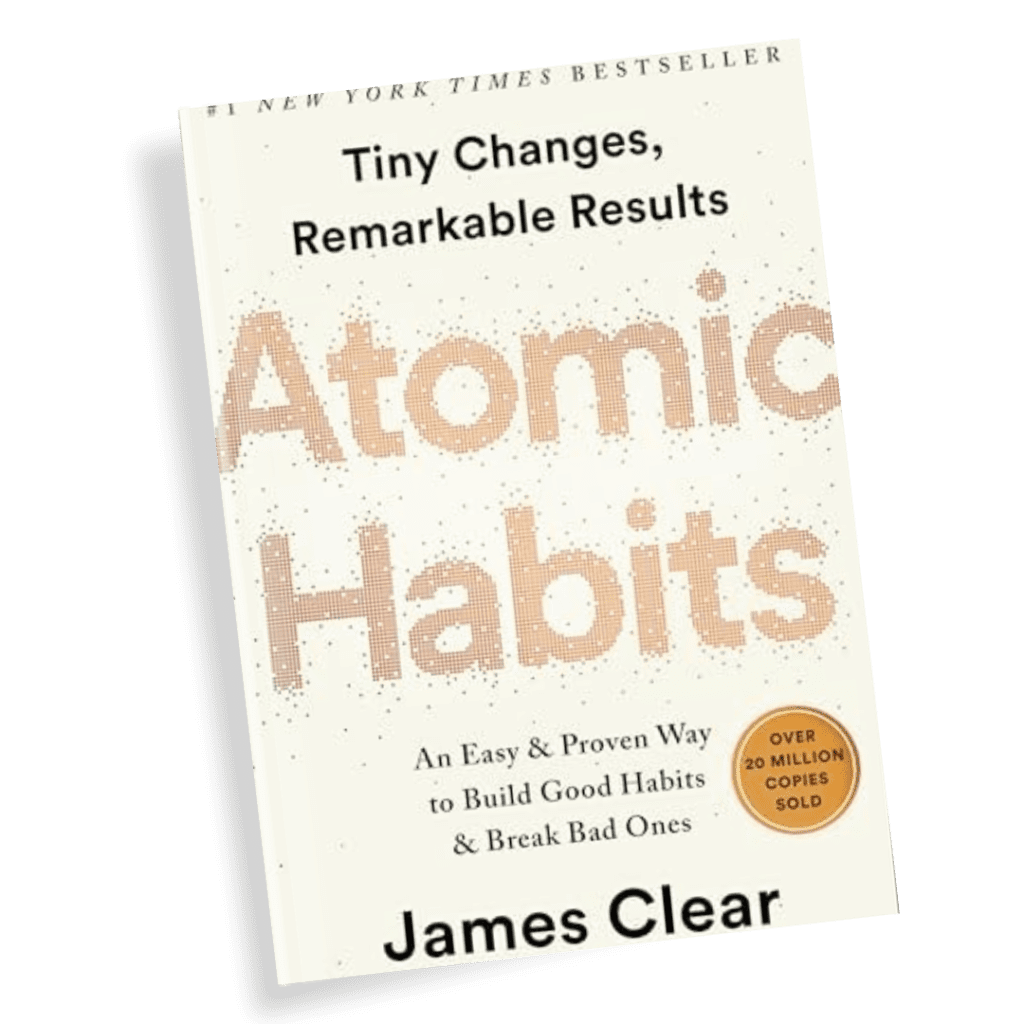
Atomic Habits: James Clear
Atomic Habits offers a proven framework for improving–every day. James Clear reveals practical strategies that will teach you exactly how to form good habits, break bad ones, and master the tiny behaviors that lead to remarkable results.