Workplace bias (whether conscious or unconscious) can create a toxic environment that stifles growth, inclusivity, and fairness. Despite the negative narrative being shared around diversity, equity, and inclusion (DEI), biases still influence hiring, promotions, and company culture in ways that may not always be visible regardless of what we call it. These biases, often rooted in cultural favoritism, can significantly affect career growth and opportunities for individuals within an organization, ultimately shaping the dynamics of the workplace.
In this blog, we’ll explore what bias in the workplace looks like, how it impacts growth and inclusion, and actionable strategies to address it. Creating a fair and inclusive workplace isn’t just a nice-to-have – it’s essential for business success and employee morale.
What Is Cultural Favoritism?
Cultural favoritism refers to the subconscious or conscious preference for individuals who share similarities in background, identity, or cultural values with decision-makers. This bias often plays out in hiring decisions, promotions, and everyday interactions in the workplace.
Examples of cultural favoritism can be seen in several ways, including:
- Hiring Practices: If a hiring manager prefers candidates who have similar educational backgrounds, professional experiences, or cultural norms to their own, it can limit diversity and perpetuate homogeneity within a team or company.
- Promotion Decisions: Employees who share similar interests or personal connections with leadership may be given preferential treatment when it comes to promotions or career advancement opportunities.
- Workplace Culture: Employees who align more closely with the dominant cultural or social norms may find it easier to integrate, while others may struggle to feel included or valued.
Understanding how cultural favoritism manifests in the workplace is the first step toward fostering a truly inclusive environment.
The Impact on Career Growth and Inclusion
The effects of cultural favoritism on career growth and workplace inclusion can be profound, both for individuals and the business as a whole.
- Career Advancement: Employees who don’t fit into the favored group may find it harder to climb the career ladder. They may be overlooked for promotions, important projects, or development opportunities, which can lead to frustration and disengagement.
- Employee Morale: When favoritism is prevalent, employees can become disillusioned with the organization. If individuals feel they are judged based on their background rather than their merits, they may disengage or leave the company.
- Business Success: A lack of diversity in leadership and teams can hinder innovation and problem-solving. Diverse teams bring a wider range of perspectives, which often leads to more creative solutions and better decision-making. Without inclusion, companies miss out on these advantages, potentially affecting their competitiveness in the market.
Addressing bias is essential for maintaining a motivated, high-performing workforce. By recognizing favoritism and actively working to eliminate it, businesses can foster a more inclusive environment that supports growth and diversity.
How to Recognize and Address Bias
Bias is a natural human response, initially developed as a protective mechanism in our evolutionary history. However, in today’s world, unchecked bias can perpetuate systemic inequalities in the workplace. The key to addressing bias is recognizing its presence and actively working to counteract its effects. Here are some actionable steps for individuals and organizations to tackle bias:
- Self-Awareness: The first step in addressing bias is acknowledging that it exists, period. Take time to reflect on your own biases, and understand how they might be influencing your decisions in the workplace. Regular self-reflection can help individuals recognize unconscious bias before it affects their behavior.
- Bias Training: Providing bias training for employees and leadership can be an effective way to raise awareness and provide strategies for reducing bias. Training should cover various forms of bias (e.g., racial, gender, cultural) and how they manifest in the workplace.
- Implement Blind Hiring Practices: To combat bias in hiring, many organizations have implemented blind hiring processes, where personal information (e.g., names, genders, educational institutions) is removed from resumes to ensure that hiring decisions are based purely on qualifications and experience.
- Promote Equal Opportunities for All Employees: Encourage policies that provide equal access to training, promotions, and career development opportunities. Establish transparent processes for performance reviews and promotions to ensure that decisions are made based on merit, not favoritism.
- Encourage Open Dialogue: Create an environment where employees feel safe discussing issues related to bias, inclusion, and diversity. Open conversations can help uncover areas where bias may be affecting the workplace and lead to meaningful solutions. Consider even publishing a commitment statement on your website written in collaboration with your employees to get everyone on the same page.
- Leadership Accountability: Leadership must be held accountable for fostering an inclusive and diverse workplace. This includes setting clear DEI goals, regularly assessing progress, and taking corrective action if biases are found to be affecting the company culture.
Creating a More Inclusive Workplace
Fostering an inclusive workplace involves more than just addressing bias—it requires proactive measures that create an environment where all employees feel valued, respected, and able to thrive. Here are a few strategies that can help:
- Inclusive Policies: Create policies that promote inclusivity and diversity at all levels of the organization. This includes recruiting from diverse talent pools, offering flexible work arrangements, and supporting diverse employee resource groups.
- Diversity and Inclusion Training: Regular training sessions on DEI can help employees understand the importance of inclusivity and give them the tools to foster diversity in their day-to-day work. These programs should cover topics such as cultural competence, anti-racism, and unconscious bias.
- Lead by Example: Leadership should demonstrate inclusive behavior by being open to diverse perspectives, actively supporting diverse team members, and ensuring fairness in all aspects of the workplace.
- Understanding Equity: It’s important to move beyond diversity and focus on equity. Equity means providing resources and opportunities that allow individuals to thrive, regardless of their starting point. A simple image to illustrate this concept could be that of three individuals of varying heights trying to reach the same box. While diversity focuses on giving everyone the same box, equity involves adjusting the height of the box for each individual to ensure everyone can reach it. This shift towards an equity perspective, not just equality, can have a transformative effect on a company’s culture elevating all to see over the fence.
Founders Who Are Leading the Charge for Workplace Inclusion
Several founders and business leaders have become champions for diversity, equity, and inclusion in the workplace. These individuals are not only committed to breaking down cultural biases but also actively creating environments where diverse perspectives are celebrated.
- Melinda Emerson (SmallBizLady): As an advocate for inclusive entrepreneurship, Melinda emphasizes the importance of diversity in business leadership. She provides resources for small businesses to foster diverse and inclusive work environments.
- Tristan Walker (Walker & Company): Tristan created a business that addresses cultural bias in beauty and grooming products. His company, Walker & Company, is dedicated to ensuring that people of color have access to products that meet their needs.
- Bozoma Saint John (The Badass Workshop): Known for her work with companies like Netflix and Uber, Bozoma advocates for diversity in corporate leadership, especially in the tech and entertainment industries.
- Arlan Hamilton (Backstage Capital): Arlan’s firm, Backstage Capital, focuses on funding underrepresented founders, making sure that diverse talent has access to the capital needed to succeed.
- Ellen Pao (Project Include): Ellen’s work with Project Include pushes for greater diversity, equity, and inclusion in the tech industry, where bias has historically been more pervasive
Conclusion: Moving Forward Together
Recognizing and addressing cultural favoritism and bias in the workplace is essential to fostering an inclusive, equitable environment. By taking proactive steps (such as training, policies, and leadership accountability) companies can create a workplace where everyone has equal opportunities to thrive.
Reflect on your own workplace experiences – have you seen favoritism play a role in career growth or team dynamics? Share your thoughts and strategies for fostering inclusion in your teams. Together, we can build workplaces that celebrate diversity and create opportunities for all.
Want to Keep Reading?
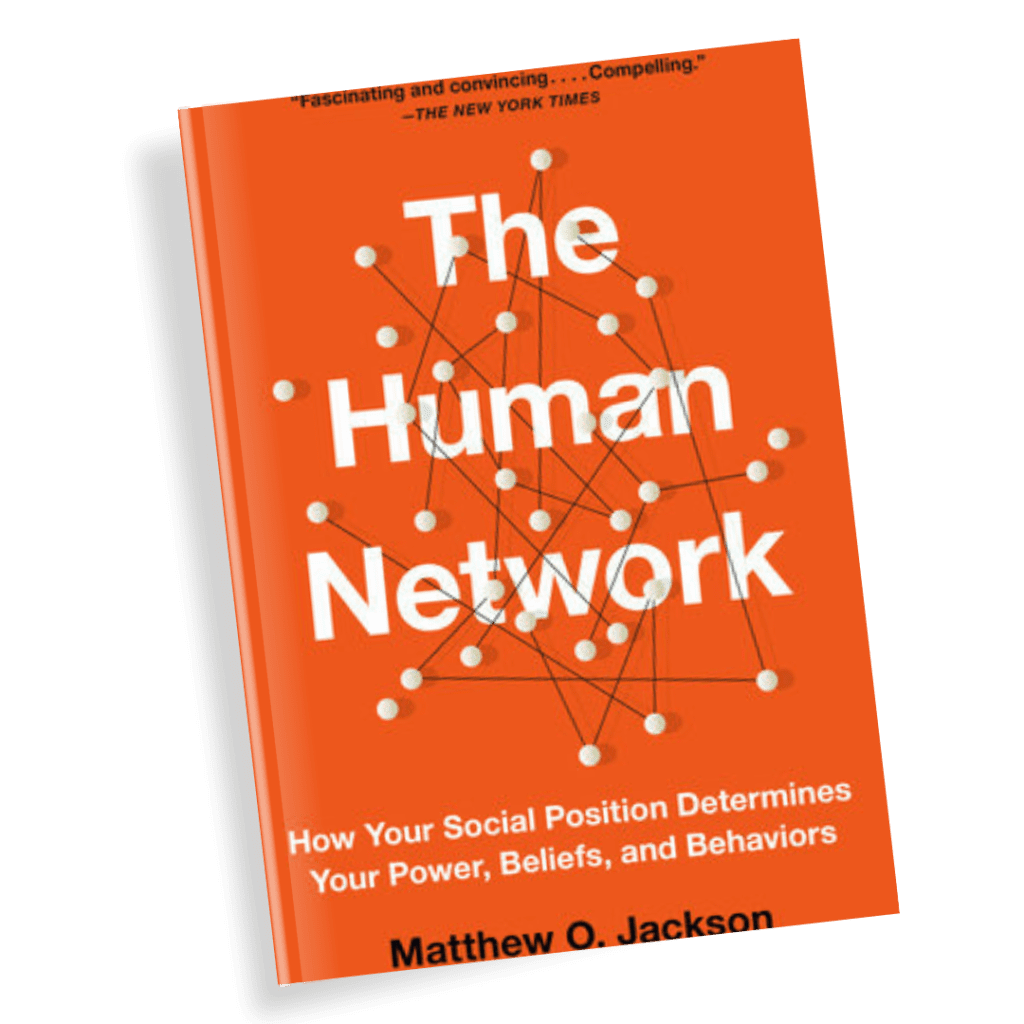
The Human Network: Matthew O. Jackson
The Human Network shows how our sometimes hidden positions in various social structures – our human networks – shape how we think and behave, and inform our very outlook on life.