The energy during the build phase of a business with a co-founder can feel like electricity, unlike anything you have creatively experienced before – until the first major disagreement hits. Suddenly, you’re not just business partners; you’re two people with strong opinions, different working styles, and potentially conflicting visions for the company you’re building together. The ability to navigate these challenging conversations and the discussions leading to them is essential for survival.
Research from leadership development company Fierce Inc. shows that 86% of employees and executives cite lack of effective collaboration and communication as the main causes of workplace failures. For co-founders, the stakes are even higher. You’re not just colleagues working on quarterly goals, but partners whose relationship determines whether your shared vision becomes reality or another startup statistic.
Conflict doesn’t have to be destructive. When handled properly, difficult conversations can actually strengthen your partnership and lead to better business decisions. The key is learning how to engage with the hard stuff rather than avoiding it.
Why Co-Founders Avoid Difficult Conversations
Before diving into solutions, it’s worth understanding why these conversations feel so challenging in the first place. Co-founder conflicts carry higher emotional stakes. You’re partners who’ve likely invested significant time, money, and reputation into a shared vision.
For co-founders, the consequences of conflict are magnified. There’s no HR department to mediate, and walking away means potentially losing everything you’ve built together.
Many co-founders also start as friends, which adds another layer of complexity. As we’ve explored in our blog on navigating friendship in business relationships, there’s an underlying fear that addressing business disagreements might damage the personal relationship. This leads to a dangerous pattern of avoiding tough conversations until small issues become major problems.
However, we have a few simple ground rules and a functional framework can help you navigate through these with professionalism and your collective success in mind.
Setting the Foundation for Healthy Communication
Establish Communication Norms Early
The best time to discuss how you’ll handle disagreements is before you have your first major conflict. During your partnership formation phase, establish clear communication norms:
- How often will you have formal check-ins about the business and your working relationship?
- What’s the process when one partner has concerns about a major decision?
- How will you handle situations where you fundamentally disagree?
- Consider taking a professional personality assessment, such as DiSC or Insights, and sharing your results with each other to better communicate and understand each other’s conflict resolution styles and motivators.
In Atomic Habits, James Clear reminds us that trust isn’t built in big, dramatic moments. It’s built in the small, consistent actions we take every day. The same is true in business partnerships. A quick debrief, a weekly pulse check, or a shared Slack journal might not feel significant, but over time, those routines build the foundation for deeper trust and resilience.
The Framework for Difficult Conversations
Start with Shared Goals
Every difficult conversation should begin by reaffirming what you both want to achieve as a business and in the conversation. “We both want this company to succeed” or “We both care about building something meaningful” helps frame disagreements as obstacles to overcome together rather than battles to win.
Use “I” Statements
When tensions rise, it’s tempting to go into blame mode. But good communication isn’t about being right – it’s about getting back to alignment. Instead of “You always make decisions without consulting me,” try “I feel excluded from important decisions, and I’d like to understand how we can improve our communication.” This approach focuses on your experience rather than assigning blame.
Ensure You Are Only Speaking from Your Perspective
You want to do your best to share only personal observations and not represent other people’s opinions. If someone else on your team brings an issue to you about your partner either encourage them to either address it with your partner directly with a bit of coaching from you, or try and observe the behavior for yourself and speak to what you witnessed.
Focus on Specific Behaviours and Outcomes
Vague complaints like “you’re not committed enough” are impossible to address constructively. Instead, be specific: “I noticed you’ve missed our last three strategy meetings, and I’m concerned about how this affects our planning process.”
Building Communication Systems That Scale
Regular Check-Ins
Don’t wait for problems to arise. Schedule regular partnership check-ins separate from business strategy meetings. Use this time to discuss what’s working well, what could be improved, and any concerns before they become major issues.
Decision-Making Protocols
Establish clear processes for different types of decisions. Who has final authority on hiring? How do you handle disagreements about product features? Having these frameworks in place reduces the likelihood of conflicts and provides a roadmap when disagreements arise.
External Perspective
Consider joining or forming a co-founder group where you can discuss challenges with peers who understand the unique dynamics of co-founder relationships. Sometimes hearing how other partnerships handle similar issues can provide valuable insights.
Moving Forward Together
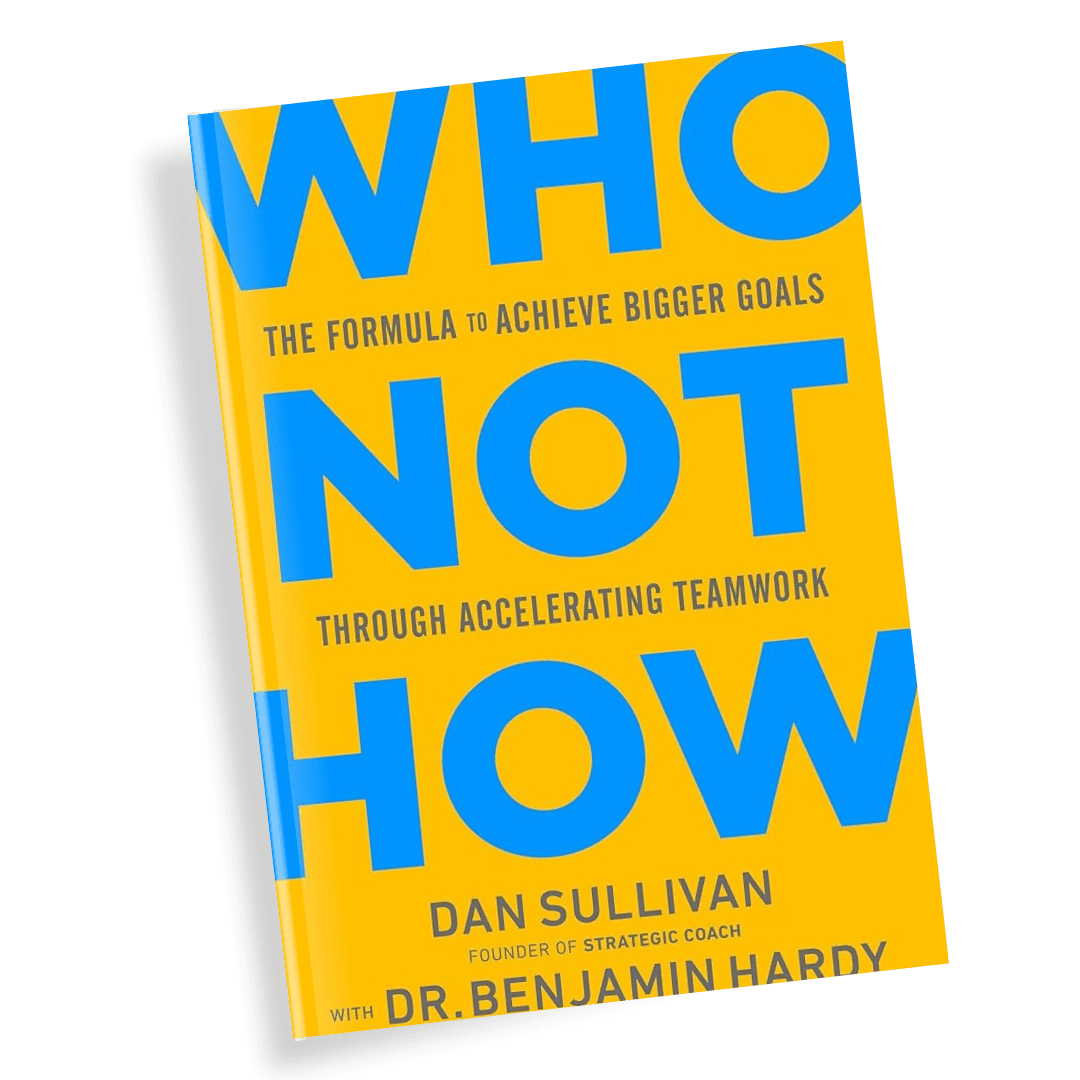
Difficult conversations don’t get easier, but they do get more productive when you approach them with the right framework and mindset. As Dan Sullivan notes in “Who Not How,” focusing on building strong relationships with the right people multiplies your ability to achieve your goals. Your co-founder relationship is perhaps the most important business relationship you’ll ever have – it’s worth investing the time to get it right.
By establishing clear communication norms, focusing on shared goals, and committing to understanding rather than winning, you can transform potential conflicts into opportunities for stronger partnership and better business decisions.
So talk about the hard stuff. Schedule the awkward meeting. Say the uncomfortable thing.
Do it early, do it often, and do it with kindness and respect.
At Follow the Founder, we aim to foster a community of growth and support and establish a platform to share the diverse journeys of business owners! We want to hear from you!
Want to Keep Reading?
Atomic Habits: James Clear
Atomic Habits offers a proven framework for improving–every day. James Clear reveals practical strategies that will teach you exactly how to form good habits, break bad ones, and master the tiny behaviours that lead to remarkable results.