You’ve built your business from the ground up. Every client relationship, every process, every success has your fingerprints. This intimate knowledge of your business isn’t just satisfying – it’s been essential to your success.
But now you’re at a crossroads that every successful founder and entrepreneur encounters: the moment when doing everything yourself becomes the very thing holding your business back. The transition from entrepreneur to CEO may not seem like a big shift from the outside but it is a massive shift for your mindset and daily work. It’s about fundamentally rewiring how you think about your role, your value, and your relationship with the work itself.
Mindset is where most scaling attempts either take off or crash. Mastering and adapting your mindset is what allows you to build sustainable, scalable companies, not just successful solo ventures.
From Being the Business to Leading It
When you’re an entrepreneur, you are your business. Every client interaction, every deliverable, every decision flows through you. This fusion of identity and business creates incredible passion and dedication, but it also sets up a fundamental challenge when it’s time to scale.
The first mental shift requires redefining your value. Your worth isn’t measured by the number of specific tasks you complete anymore. Entrepreneurs naturally think in terms of tasks: the email to write, the project to complete, the client to call. CEOs must think in terms of systems: the processes that enable consistent quality, the workflows that support team collaboration, and the structures that allow the business to function smoothly even when individual team members are unavailable.
It is the vision you set, the culture you create, the growth you enable in others, and the accountability you hold for yourself and your team. This transition can feel destabilising because it challenges a core belief that’s driven your success: that your personal involvement equals quality and results. Systems thinking is essential for creating a business that can grow beyond your personal capacity.
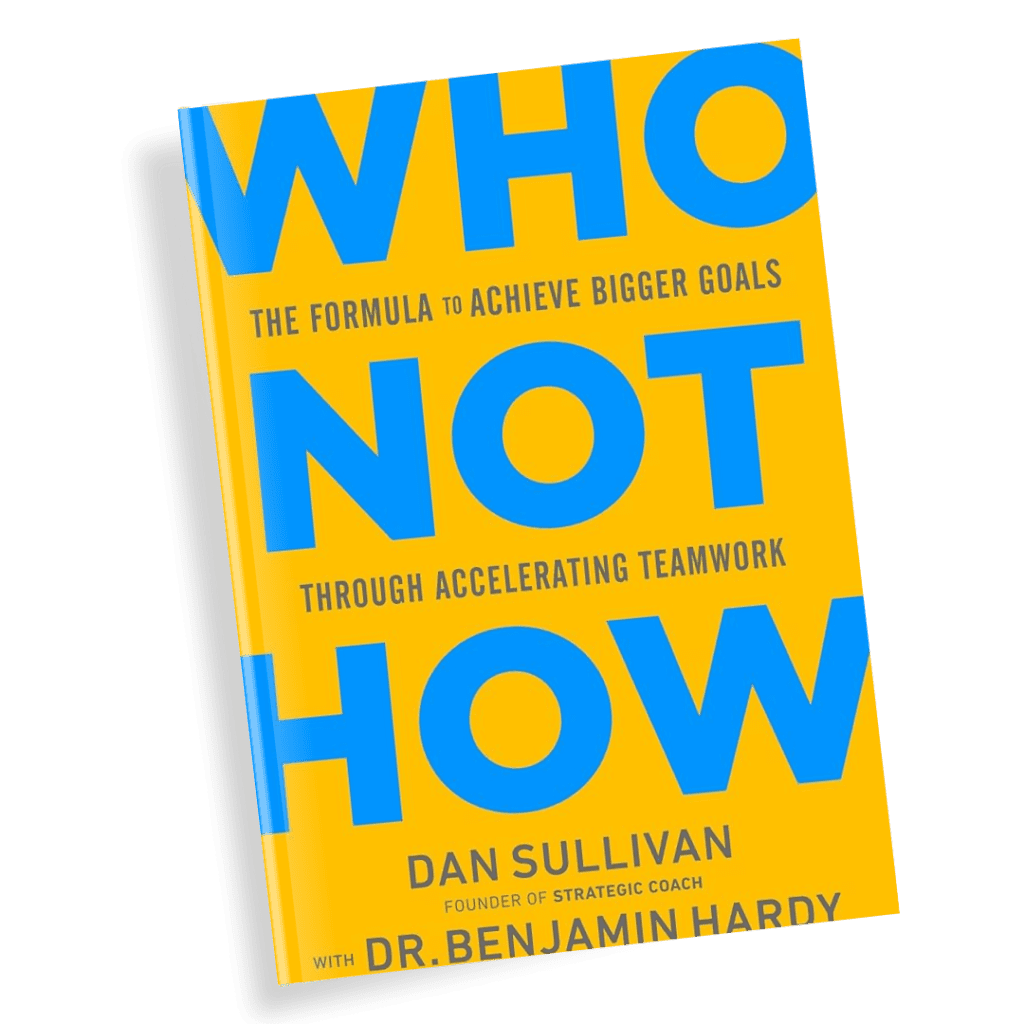
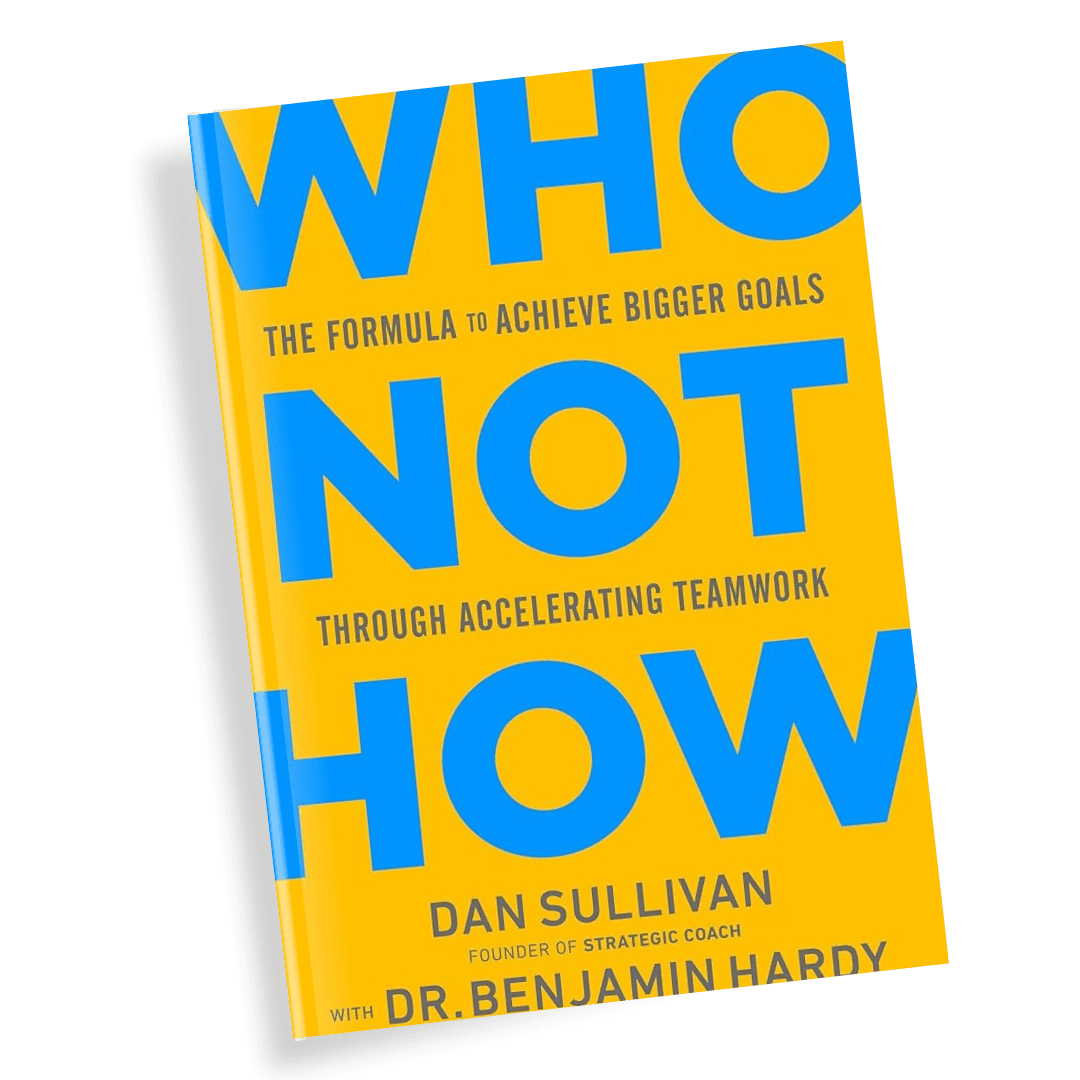
Learning to see yourself as the architect rather than the builder requires practice and patience. Instead of asking “How?” you’ll need to start asking “Who?” or “What?” will get you closer to your goals. This isn’t about becoming disconnected from your business – it’s about connecting to it in a different, more strategic way. Who Not How by Dan Sullivan is a great reference to dive into this mindset deeper.
The Control Paradox
The attention to detail and hands-on approach that made you successful as an entrepreneur can become significant obstacles when scaling. The control that once protected your reputation and ensured quality can transform into micromanagement that stifles team growth and creates bottlenecks.
This paradox is particularly challenging because control feels like security. When you handle everything yourself, you know exactly what’s happening, when it’s happening, and how well it’s being executed. Delegating tasks means accepting uncertainty and trusting others with outcomes that directly impact your reputation and bottom line. It’s time to share the load of responsibility; you will be surprised at how quickly you will elevate once you let go of the day-to-day details.
The mental shift here involves learning the difference between upholding standards and maintaining control. You can uphold quality without being involved in every detail, ultimately removing yourself from the bottlenecks you have inevitably created. This requires developing new muscles: practicing inspiring your team and building their confidence, clear communication of expectations, checks & balances systems, and the patience to let others find their own path to excellent results, even if that means letting them strategically fail.
Embracing “Good Enough”
As an entrepreneur, you tend to spend extra time perfecting deliverables because you’re the only one that can. You likely have set the perfection bar quite high and it is difficult to hand these tasks off. When scaling, this perfectionist approach becomes a liability that slows progress. It can create unclear communication, bottlenecks, and even demotivate team members who feel their work is never quite right. Don’t let perfection sabotage your progress!
The challenge isn’t about lowering standards – it’s about recognising that excellence can look different than you originally imagined. Your team members will approach problems differently, communicate with clients in their own style, and find solutions you might not have considered. Learning to see “different” as potentially valuable rather than automatically wrong is crucial for successful scaling.
As the visionary you will be able to use moments that were not quite right as teachable lessons to offer feedback and training and help your team members align their approach with your company vision and culture. This shift requires developing comfort with iteration and improvement over time rather than perfection on the first try. It means setting clear quality standards while leaving room for individual approaches and creativity within those parameters.
Loneliness and Leadership
Nobody talks about how isolating it is to be an entrepreneur or CEO. You are often making decisions on your own, learning as you go, and course-correcting along the way.
You’ll find yourself moving from intimate knowledge of every business detail to receiving summarised reports. Client relationships that were once personal become filtered through team members. The immediate feedback loop of completing tasks gets replaced by the longer-term satisfaction of enabling others’ success.
This emotional distance is necessary for scaling, but it can trigger feelings of disconnection and irrelevance. You might find yourself questioning whether you’re still adding value or if you’ve somehow become unnecessary to the business you built, which intensifies those feelings of loneliness. If you have found yourself here, trust that you ARE still very necessary! Every ship needs its captain as much as it needs its first mate, engineer, and deckhand. Your value hasn’t diminished – it’s evolved and your ship is just bigger now. You can’t steer the ship from below deck; you must have a clear view of the horizon making it possible for others to do their best work. We’ve explored the broader challenges of mental health as a founder in more depth, including strategies for managing the psychological demands of entrepreneurship.
Redefining Success Metrics
As a CEO, success becomes more complex and longer-term: team development, company culture, sustainable growth, and impact beyond your direct contributions.
This shift requires patience and a new framework for measuring progress. Instead of daily task completion, you’ll need to focus on key performance indicators (KPIs) like financial milemarkers, team growth & retention, business development, and annual strategic achievements. The satisfaction is different – less immediate but often more meaningful as you see the compound effect of building something larger than yourself. The best way to be successfully focussed on your KPIs is to surround yourself with professional partners and advisors who have a successful track-record of supporting businesses like yours. They will be your mentors and partners helping you lay your foundations for measurement and pave that path forward to success.
The Path Forward
The skills you develop during this transition (strategic thinking, team development, systems creation, and financial acumen) become the foundation for sustainable, meaningful growth. For a deeper dive into this path building, we have found the book Scale Or Fail to be very helpful to understanding the levels of growth development as a CEO.
The journey isn’t always comfortable. There will be moments when you question whether you’re making a wrong choice and need to course correct, your team will falter on the standards you’ve worked so hard to establish, and you will question if you’re still the right person to lead the business you created often. This part of your growth journey, we only grow in discomfort so embrace it, this is your new normal.
The rewards of embracing this growth journey for yourself extend far beyond financial growth. You’ll discover the satisfaction of enabling others’ success, the excitement of tackling challenges with a collective effort, and the pride of building something that creates opportunities for more than just you! When you are 10+ years in and you look back, you won’t even recognise yourself and will be proud of the ways you have developed as a human.
The question at the end of all of this is, who are you willing to leave behind in order to become the person you are meant to be?
At Follow the Founder, we aim to foster a community of growth and support and establish a platform to share the diverse journeys of business owners! We want to hear from you!
Want to Keep Reading?
Who Not How: Dan Sullivan
Dan Sullivan shows you how to make a mindset shift that opens the door to explosive growth and limitless possibility – in your business and your life.