In the early days of building a business, founders often focus intensely on acquiring new customers. But loyalty is slipping. According to an article by Emarsys, only 69% of respondents in 2024 reported loyalty to specific retailers, brands, or stores — down from 77% in 2022. As customer loyalty declines, it’s more important than ever for founders to shift their focus from short-term wins to cultivating genuine, long-term client relationships.
The real challenge for founders is reshaping your approach to create lasting bonds that go beyond transactional relationships. This mindset shift from quick wins to long-term trust isn’t just about business strategy; it’s about recognising that sustainable success comes from nurturing relationships that can withstand market changes, competitive pressures, and economic uncertainty.
The Mindset Shift
Moving Beyond the Sale
Too many founders fall into the trap of viewing client relationships as a series of transactions. You deliver a product or service, they pay, and the cycle repeats. This transactional mindset creates fragile relationships built on convenience rather than conviction.
The shift to long-term thinking requires seeing each client as a partnership opportunity. Instead of asking “How can I make this sale?” start asking “How can I contribute to their long-term success?” This reframing changes everything – from your communication style to your service delivery approach.
Understanding the Trust Equation
Trust is built through three core drivers: authenticity, logic, and empathy. People tend to trust you when they think they are interacting with the real you (authenticity), when they have faith in your judgment and competence (logic), and when they believe that you care about them (empathy).
For founders, this means showing up as your genuine self, consistently demonstrating competence in your field, and genuinely caring about your clients’ outcomes beyond what they pay you. When clients trust you on all three levels, they become partners rather than purchasers.
Practical Strategies for Building Genuine Loyalty
Start with Transparency
Transparency builds trust faster than any marketing campaign ever could. Be honest about your capabilities, limitations, and timelines. When problems arise (and they will) communicate proactively rather than reactively. Share your decision-making process with clients. Explain why you recommend certain approaches and what alternatives you considered. This level of transparency transforms you from a service provider into a trusted advisor.
Create Consistent Value Beyond Your Core Service
Loyalty isn’t built on your primary service alone – it’s built on the entire experience of working with you. Send relevant industry insights, introduce clients to valuable connections in your network, or offer strategic advice that extends beyond your immediate scope of work. This approach requires thinking beyond billable hours to consider the client’s broader success. When you become the catalyst to their wins in unexpected ways, you become indispensable.
Implement Proactive Communication Systems
Timely, efficient communication should be a priority when building strong client relationships. Don’t wait for clients to reach out with concerns or questions; show them the way. Create systematic touchpoints that keep you connected to their evolving needs.
Schedule regular check-ins that aren’t tied to project deliverables. Ask about their broader business challenges, industry trends affecting them, and upcoming initiatives. This intelligence helps you anticipate their needs and position yourself as a strategic partner.
Personalise Your Approach
Personalisation goes beyond brand consistency. It means truly understanding each client’s unique situation, preferences, and goals. Some clients may really value hands-on access and want to be included in each stage of your process, whereas others may simply prefer a written, detailed weekly summary of what you’ve accomplished. Adapt your communication style and project approach to match their preferences.
Demonstrate Emotional Intelligence
Emotional trust depends on how people perceive your brand, service, or relationship with you at a nonrational level. In particular, it depends on empathy, friendliness, a sense of security, and care.
This means reading between the lines when clients express concerns, celebrating their wins genuinely, and showing empathy during their challenges. Acknowledging that you see them as a person – that is, more than just a paycheck – can go a long way.
We explore how emotional intelligence shapes effective leadership in more depth in this blog post.
Build Your Credibility Systematically
Credibility relates to competence, skills and knowledge in relevant domains but also confidence in capabilities and judgement. Credibility is something which can be established at the start of a relationship but is also something that builds over time.
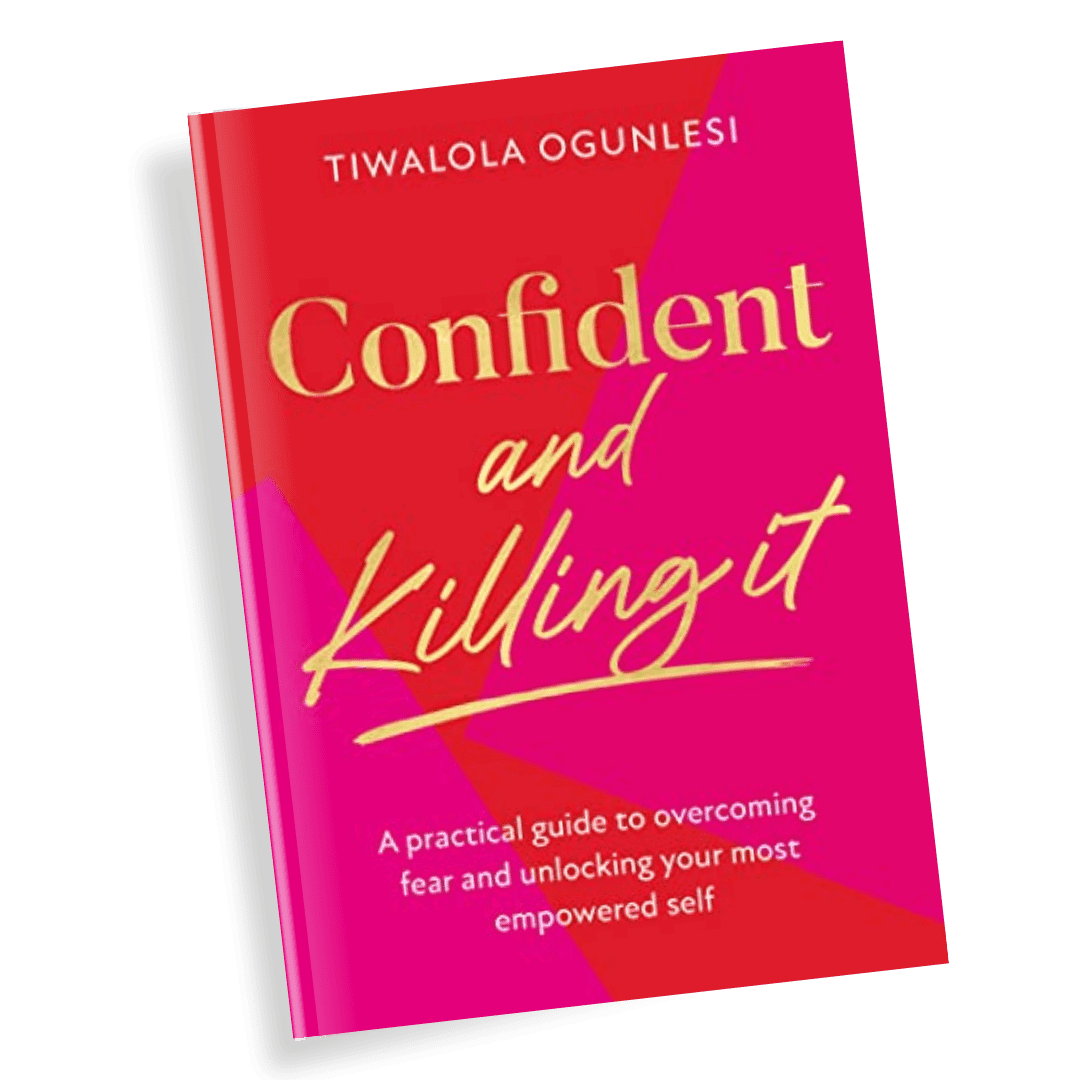
Tiwalola Ogunlesi emphasizes in Confident and Killing It that building authentic authority requires consistent demonstration of expertise and genuine confidence in your abilities. Stay current with industry trends, invest in your professional development, and share your expertise through content creation or speaking opportunities. When clients see you as a thought leader in your space, they’re more likely to view you as indispensable.
The Loyalty Advantage
Building client loyalty isn’t about having the flashiest offer or the lowest price. It’s about building trust, one thoughtful interaction at a time. As a founder, your actions set the tone for the client experience. When you focus on your strengths and serve clients from a place of authentic expertise, loyalty becomes a natural byproduct.
The shift from short-term wins to long-term trust requires patience, consistency, and genuine care for your clients’ success. But the payoff – both financially and personally – makes this one of the most important investments any founder can make.
Remember, the most successful businesses aren’t just built on great ideas. They’re built on great relationships.
At Follow the Founder, we aim to foster a community of growth and support and establish a platform to share the diverse journeys of business owners! We want to hear from you!
Want to Keep Reading?
Confident and Killing It: Tiwalola Ogunlesi
An empowering, practical guide to overcoming imposter syndrome, getting sassy with negative thoughts and succeeding in all areas of life.