Ask any founder what keeps them up at night and you’ll hear a version of the same fears: running out of money, the product flopping, letting people down, or letting themselves down. Our brains are wired to imagine failure in vivid detail, and then figure out ways to avoid it.
But what if the same imagination that fuels your fears could also help create your freedom?
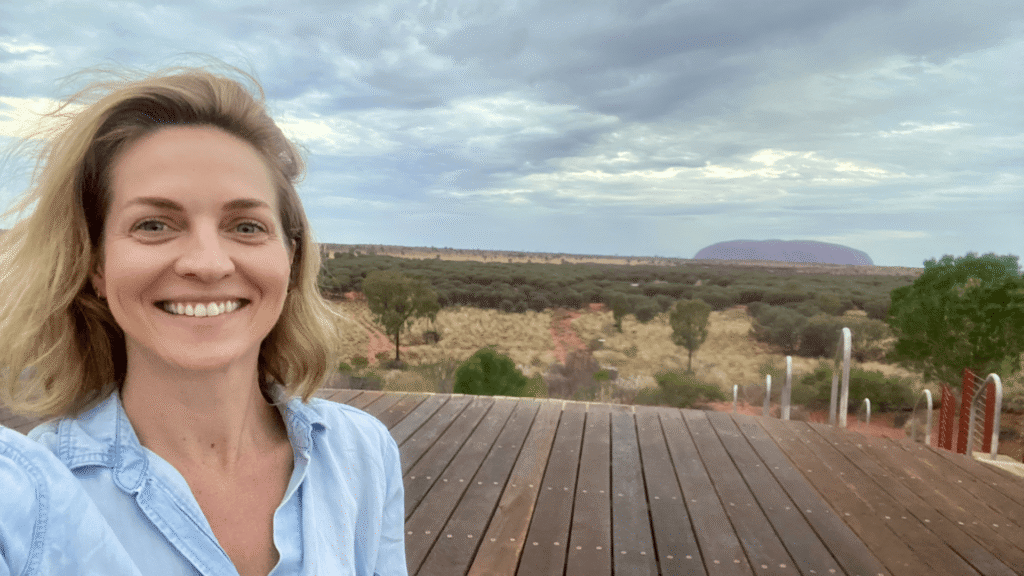
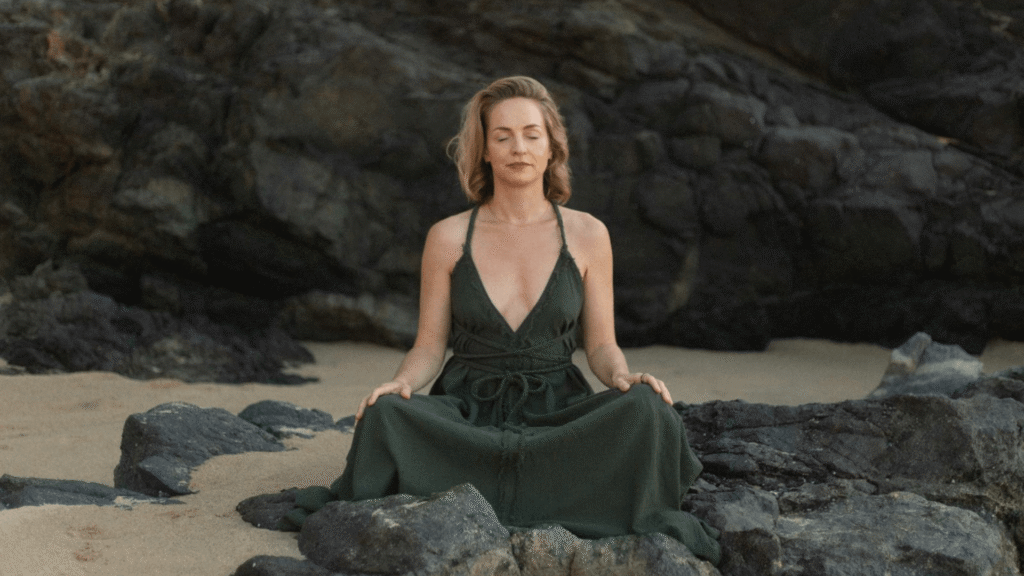
Michelle Maree, founder of The Nomad Escape, believes that the same mental energy we put into worst-case scenarios can be turned toward building our dream life.
“If we can imagine that we could end up homeless on the street, why can’t we imagine that we can build a dream business and create true freedom?”
The double-edged sword of imagination
As humans, we have a rare gift: the ability to visualize things that don’t yet exist. But, often, most of us use this gift against ourselves, with our brains running endless loops that focus on what if it all goes wrong?
Research has shown that human brains are naturally inclined to focus more on negative experiences than positive ones and negative events elicit stronger and longer-lasting reactions.
But as Michelle points out, if your imagination can take you to fear, it can also take you to freedom. You just have to redirect it.
Visualization can be a founder’s secret weapon
Michelle credits visualization with much of her success.
“Since the moment I started writing things down – my goals, and how they would look and feel – it all started happening… you can reprogram your brain by visualizing.”
For her, it wasn’t just about vague goals like ‘make a million dollars’. It was about focusing on specific details:
- Who am I when I wake up in the morning?
- Where am I living?
- How do I feel in this version of my life?
This isn’t just ‘woo-woo’, neuroscience backs it up. Visualization strengthens neural pathways and primes your brain to take action toward the things you imagine most vividly.

A practical visualization exercise for founders
Here’s how you can put Michelle’s method into practice:
Step 1: Write down your worst-case scenario
What’s the thing you fear most? A failed launch? Losing investors? Put it down on paper, getting it out of your head and seeing it reduces its power.
Step 2: Write your best-case scenario in detail
Now flip it around. Write out where you want to be in three years: financially, emotionally, spiritually, physically. What’s a day in your life like?
Step 3: Revisit it daily/weekly
Keep the best-case scenario visible and read them often. The repetition programs your brain to believe in that future and start acting in alignment with it. In fact, studies have shown that people who wrote down their goals were more successful in achieving them.
Why it works
- Psychologically you replace fear with hope, which boosts resilience and motivation.
- Neurologically visualization activates the same brain regions as real experience, making the imagined outcome feel more attainable.
- Practically when you’ve written down what you want, you notice opportunities that align with it.
“Visualization is daydreaming with a purpose.”
Bo Bennett, American Author
Shifting focus from failing to thriving
As founders, we already use our imagination every day, too often to dwell on risks and failures. The shift is simple but takes conscious effort: imagine the opposite.
If you can picture yourself failing, you can also picture yourself thriving. Hold on to that vision long enough, and you’ll start making choices that bring it to life.
Take inspiration from our network of Founders and become a part of a supportive and welcoming community by joining Follow the Founder. You can also find us on Instagram @followthefounder
What does "If you can imagine failure, you can imagine freedom" mean?
This phrase emphasizes that the same mental energy and imagination founders use to visualize worst-case scenarios can be redirected to imagine positive outcomes. Since human brains are naturally wired with a negativity bias, consciously focusing on best-case scenarios helps reprogram your mindset toward success and freedom.
Who is Michelle Maree?
Michelle Maree is the founder of The Nomad Escape, a business leader who uses goal writing and visualization strategies to overcome founder fears and build location-independent, freedom-focused businesses.
Why are founders naturally inclined to focus on worst-case scenarios?
Humans have a built-in psychological negativity bias where negative events, fears, and potential failures trigger stronger, longer-lasting mental reactions than positive ones. As a result, founders often run endless mental loops imagining running out of money or product failures rather than positive achievements.
How does visualization affect the brain from a neuroscience perspective?
Visualization strengthens neural pathways and activates the exact same brain regions as real-life experiences. By repeatedly visualizing specific positive scenarios, you prime your brain to recognize relevant opportunities and take actions aligned with those goals.
What is Michelle Maree’s specific approach to visualization?
Rather than setting vague financial targets like “make a million dollars,” Michelle focuses on vivid, sensory details about her future self: who she is when she wakes up, where she is living, and how she feels emotionally, physically, and spiritually in that version of her life.
6. What are the th
What are the three steps in the practical visualization exercise for founders?
-
Step 1: Write down your worst-case scenario to get fears out of your head and reduce their emotional power.
-
Step 2: Write out your best-case scenario in detail covering where you want to be in three years across financial, emotional, physical, and spiritual dimensions.
-
Step 3: Revisit the vision daily or weekly to repeatedly program your brain to take actions in alignment with that future.
What psychological and neurological benefits come from writing down goals?
Writing down and visualizing goals replaces fear with hope, boosts resilience, and makes desired outcomes feel more attainable. Research shows that individuals who write down their goals are significantly more successful in achieving them compared to those who do not.
What is the quote from Bo Bennett mentioned in the article regarding visualization?
American author Bo Bennett describes visualization as “daydreaming with a purpose,” highlighting that intentional mental focus converts passive imagination into structured, actionable goal-setting.
Want to Keep Reading?
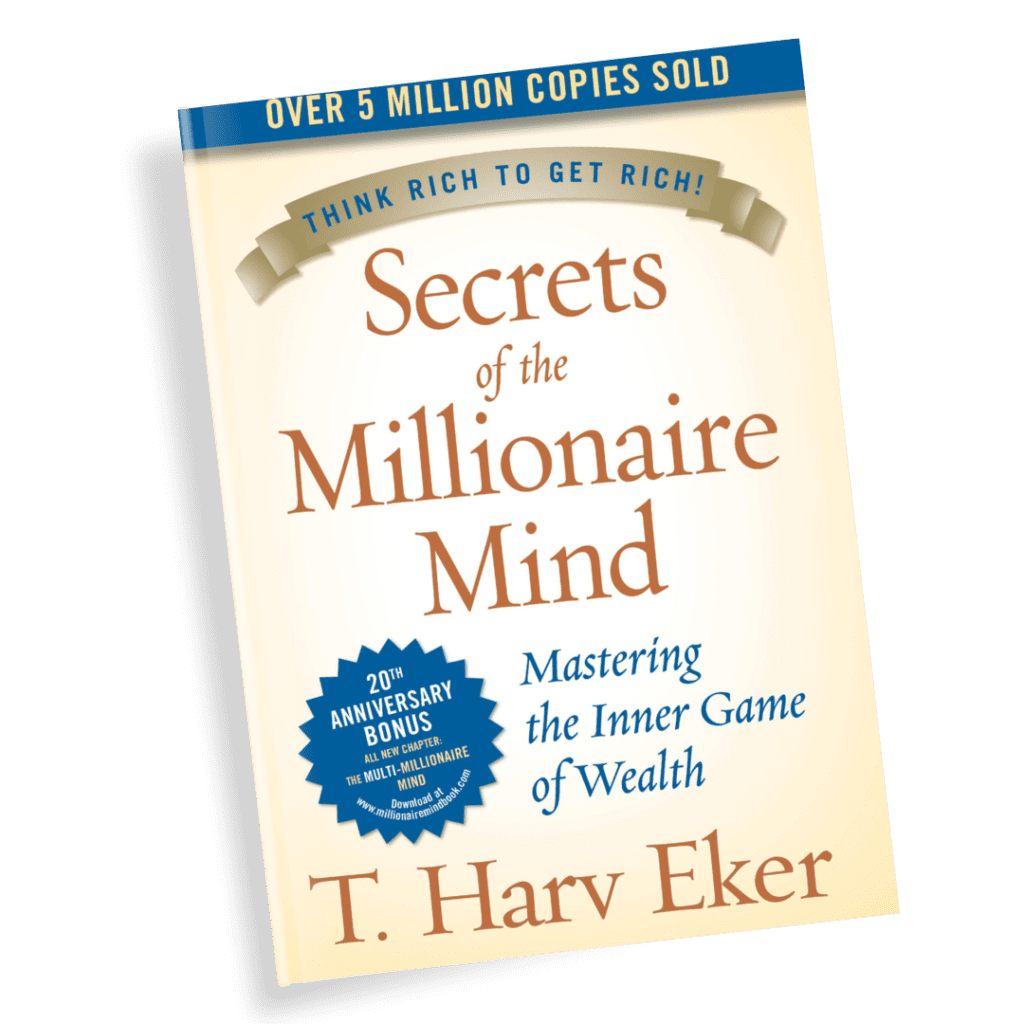
Secrets of the Millionaire Mind: T.Harv Eker
Explores how financial success is shaped by subconscious money beliefs and offers strategies to rewire one’s mindset for wealth and prosperity.