In a world where hustle culture reigns and “yes” often feels like the only acceptable answer, learning to say “no” (especially as a founder) can feel counterintuitive. But strategic growth doesn’t come from doing everything – it comes from doing the right things. Sometimes, that means turning down good opportunities to make room for the great ones.
We see this pattern time and again. Founders at every stage are bombarded with partnerships, ideas, events, and projects that could move the needle. But without intentional filters, it’s easy to end up stretched thin, disconnected from your mission, and burned out.
Here’s why mastering the strategic “no” might be the most powerful growth tool in your entrepreneurial arsenal – and how to put it into practice.
The Yes Trap
When you’re building a business, revenue feels like oxygen. Every client, every project, and every dollar coming in validates your decision to become an entrepreneur and provides the resources you need to keep growing. This creates a psychological bias toward saying yes to almost anything that generates income.
The problem is that not all revenue is good revenue. This applies to almost all service and product businesses. As your business transitions from scrappy start-up to player in your industry, you will want your clients and business to ultimately align with your business values and mission. Any clientele that is misaligned will pull you away from your core competencies, dilute your brand authenticity, overwhelm your team, or simply distract you from pursuing the opportunities that could truly transform your business.
This is what Greg McKeown calls the trap of the “undisciplined pursuit of more” in his book Essentialism. He argues that clarity of purpose and ruthless prioritisation are essential for high performance. Saying yes to everything creates clutter; saying no with intention creates momentum.
The yes trap is particularly dangerous because it disguises itself as a prudent business strategy. After all, isn’t taking advantage of opportunities what entrepreneurs are supposed to do? The challenge is that every opportunity you accept eliminates other possibilities. When you are always saying “yes” you are placing yourself in a defensive/reactive approach to running your business vs an offensive/proactive approach and this manifests as your feeling of control over your brand and company direction.
The Myth of Missed Opportunity
Saying no can feel like closing a door that may never open again, but it doesn’t have to. What if that brand collab leads to exposure? What if that investor is your one shot? What if that new project turns into your next big thing?
The truth is no opportunity is aligned. If your calendar is filled with “maybes,” there’s no room left for the “hell yeses”.
Tim Ferriss addresses this beautifully in The 4-Hour Workweek, where he challenges the idea that being constantly busy is a badge of honor. He proposes a different path: one where founders build businesses that serve their lives, not consume them. To do this, Ferriss advocates for strict prioritisation, automation, and clear boundaries on time and attention.
When you start measuring opportunities not just by what they are, but what they cost (time, energy, focus, values) you begin to understand that no isn’t rejection. It’s redirection.
The Strategic Advantage
Businesses that master the art of the strategic “yes” and “no” gain significant competitive advantages. They develop deeper expertise, build stronger reputations, create more efficient operations, and ultimately become the obvious choice for their ideal clients.
This focus doesn’t happen by accident – it’s the result of countless small decisions to turn down good opportunities in favour of great ones. Each strategic no is an investment in your business’s future, creating the conditions for breakthrough opportunities that wouldn’t have been possible if you’d said yes to everything along the way.
You don’t need to chase everything to grow. You don’t need to be everywhere to be seen. In fact, saying no with intention, with confidence, and with heart is often the boldest move a founder can make.
How Saying No Creates Space to Grow
1. You Protect Your Vision
Every “yes” pulls you a little in one direction. Say yes enough times without a filter, and you can end up far from your original mission.
2. You Prioritize Deep Work
Real growth often comes from strategy – the kind that’s impossible when you’re constantly in reactive mode.
3. You Set Boundaries That Build Trust
Staying committed to your values, and enforcing boundaries that support them, shows you’re rooted and committed, providing a stable foundation. This builds respect with your clientele, your team, and even yourself.
4. You Stay Agile
Too many commitments leave no space for the “hell yes” opportunities you didn’t foresee but have absolutely attracted by holding true to your values and mission.
How to Know When to Say No
Here are a few helpful filters to evaluate opportunities more intentionally:
- Does this align with my core mission or brand values?
- Is this opportunity solving a real problem or just adding noise?
- Would I be excited to commit to this if no one else ever saw it?
- What would I have to give up to say yes to this?
- Am I saying yes out of guilt, fear, or fear of missing out?
If the answer feels murky, pause. A thoughtful “let me think about it” is always better than a reflexive yes.
So, the next time an opportunity comes your way, take a breath. Ask the hard questions. And remember that every “no” can be a step toward something – not away.
At Follow the Founder, we aim to foster a community of growth and support and establish a platform to share the diverse journeys of business owners! We want to hear from you!
Want to Keep Reading?
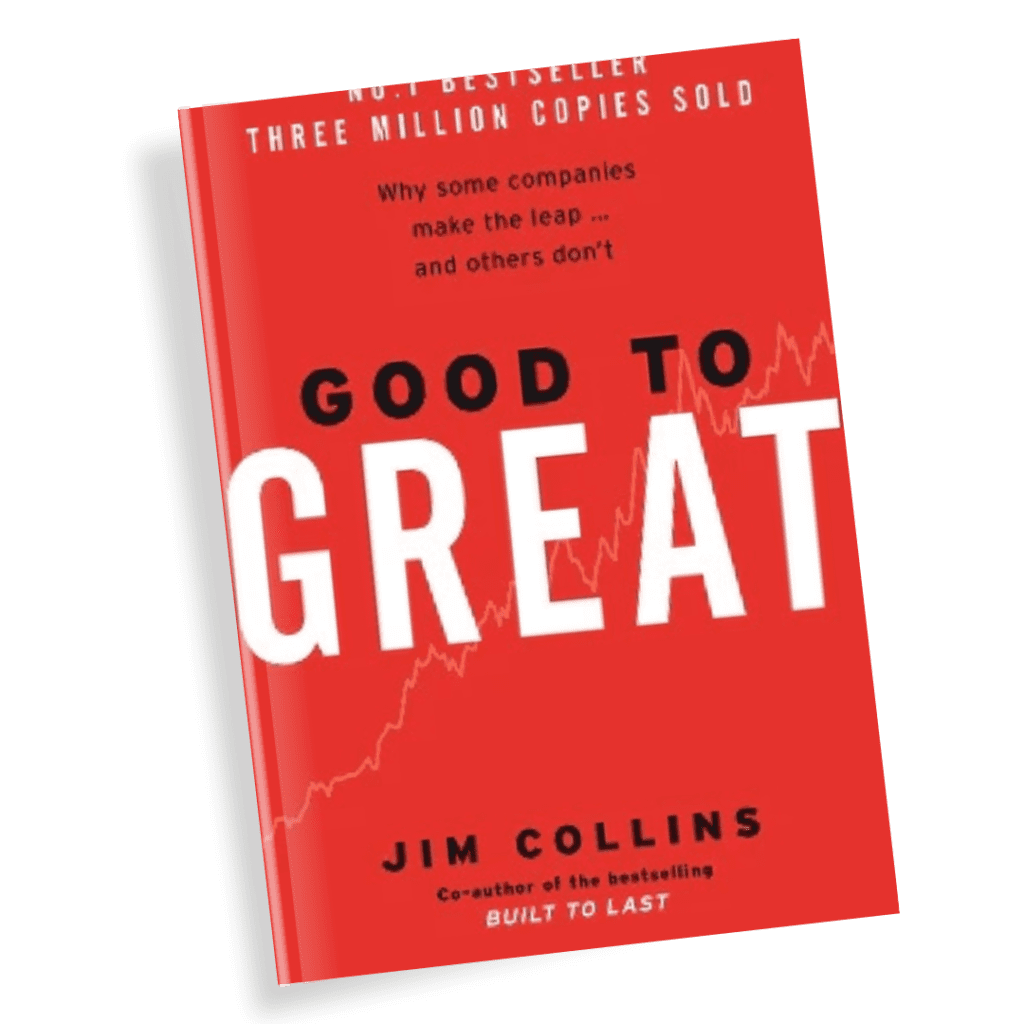
Good to Great: Jim Collins
Examines why some companies achieve long-term exceptional performance while others don’t, identifying key principles like disciplined leadership, a strong culture, and a focus on what they can be the best at.