The dream of breaking free from the traditional 9-to-5 workday and embracing the lifestyle of a digital nomad has become increasingly popular. The idea of working remotely from exotic destinations, exploring new cultures, and having the freedom to design your own schedule has invaded your social media and possibly even your friend group. You’ve seen enough and are interested in exploring what a non-traditional work-life balance looks like.. But how exactly do you make the transition from location dependence to location independence? The answer lies in careful planning, skill development, and financial preparation.
In this blog, we’ll guide you through the essential steps you need to take as you prepare to embark on your digital nomad journey.
Why the Digital Nomad Lifestyle Appeals to so Many
The digital nomad lifestyle appeals to a growing number of professionals worldwide, and for good reason. As more companies embrace remote work, the ability to work from anywhere in the world has become a viable option for many. No more being tethered to a desk in a cubicle or spending hours stuck in traffic. Not only does being a digital nomad offer freedom, but it also brings with it a sense of adventure and possibility. You can choose your workspace – whether it’s a coffee shop in Bali, a co-working space in Lisbon, or your rented apartment in Medellin. The options for a life you desire all of a sudden go from looking stark to looking endless!
The benefits of becoming a digital nomad include:
- Location Independence: You can work from anywhere with good WiFi. These places used to be large metropolitan cities or your own home, but now you can find some of the best internet in the world on a remote island in the Atlantic.
- Work-Life Balance: Working remotely gives you the flexibility to structure your day around your personal life, rather than the other way around. If you are an early riser or a night owl, you can choose a location in a timezone that better fits your own circadian rhythm.
- Personal Growth: Traveling while working allows you to experience new cultures and perspectives that will enrich your life both personally and professionally. It is the kind of growth you cannot replicate any other way.
- Increased Productivity: Studies show that many remote workers experience higher productivity levels due to fewer distractions and a customizable work environment. Not to mention, when looking over your laptop at crystal blue waters while sipping on a fresh juice that costs you less than $1USD you are going to feel a lot of gratitude to the work you can do that affords you the flexibility of this lifestyle and work extra hard not to lose it.
- Building Connections: As a digital nomad, you’ll meet other like-minded individuals who share your passion for work, travel, and freedom. They can also challenge your beliefs and ways of doing things leading to enhanced creativity and productivity.
Planning Your Transition: Skills, Savings, and Mindset
The key to a successful transition to the digital nomad lifestyle lies in preparation. You need to build a solid foundation in several areas: skill development, financial planning, and mindset.
Skill Development
While some professions lend themselves naturally to remote work (e.g., writing, programming, design, marketing), others may require more effort to transition. Regardless of your profession, upgrading your skills to be remotely compatible is essential.
Financial Planning
Before you take the plunge, you must have a solid financial foundation. This includes both savings and budgeting for the unique expenses you’ll encounter as a digital nomad.
- Build a Financial Cushion: You should aim to have at least three to six months of living expenses saved before you make the leap. This will give you peace of mind as you adjust to a less predictable income.
- Eliminate Unnecessary Expenses: If you plan to retain a home base in your current city or country consider what you absolutely need to maintain as for as expenses. Do you need to keep your car and carry insurance and registration on it or can you rent or borrow when you come back between trips? Do you need to keep an apartment or house sitting empty while you are gone or can you rent it our for short-term? Will you want all of your belongings or can you sell/donate some of them to add to your travel fund?
- Create a Digital Nomad Budget: Your expenses will vary depending on where you travel, but in general, living as a digital nomad can be more affordable than staying in a big city. Still, you’ll need to budget for accommodation, travel, food, health insurance, and internet connectivity, among other things. Nomads is a great resource for understanding the cost of living around the world.
- Consider a Passive Income: To give you more flexibility, look for ways to build passive income streams. Whether through affiliate marketing, content creation, consulting or investments, passive income helps you maintain financial stability while traveling.
Mindset Shift
Making the decision to leave the comforts of location dependence requires a shift in mindset. It’s not just about changing how you work – it’s about changing how you view work itself. You must be willing to embrace uncertainty and let go of the safety net that traditional career life offers. You’ll need self-discipline, a strong work ethic, and an ability to manage your time efficiently.
One of the most important mindset shifts is learning to embrace the balance between work and play. Digital nomads often face the challenge of keeping work and leisure from blending into one another. By setting clear boundaries and creating a productive workspace wherever you go, you’ll be able to keep your professional and personal life in harmony.
Mindset is not something that you can shift once and never address again. It is a constant practice, especially when you are in new places and cultures. You will encounter hurdles and roadblocks you didn’t anticipate and you will have to roll with it and creatively problem-solve. In order to do this successfully you must maintain a mindset of gratitude and flexibility. If you get stuck focusing on the negative this lifestyle is guaranteed to be more difficult than it needs to be. Stay open, curious, and agile. Try to understand the cultural norms of the place you are visiting, and always have a back-up plan for your back-up plan.
Practical Tips for Sustaining the Nomad Lifestyle
Once you’ve prepared for the transition, it’s time to think about the practicalities of living and working on the road.
Book Refundable Flight & Accommodations
Your plans will inevitably change while living on the road. This is one of the luxuries of being location-independent, when an opportunity presents itself, you can take it! So when making plans in advance paying a little extra so you have the ability to change later will ultimately save you a lot of money in cancelation and change fees. We also suggest building into your budget a bit of money to “throw away” on choosing to change your plans or being forced to change your plans.
Visa Requirements
Many countries offer special visas for digital nomads. These visas allow you to work remotely from their country without needing a traditional work permit. Some countries with digital nomad visas include Estonia, Portugal, and Barbados. Be sure to research the visa requirements as well as the maximum length of stay for the countries you plan to visit.
Work-Life Balance
Being a digital nomad means learning to balance work and exploration. It’s tempting to treat every day as a vacation, but it’s essential to stick to a routine that includes dedicated work time. Set clear goals for your workday and use tools like time-tracking apps to stay on top of your tasks. It is also very important to openly communicate your time boundaries based on the timezone you are working from. Many of your colleagues will struggle to know when it is “OK” to reach out which can become resentful or a burden in the relationship. It is best to communicate these boundaries and not leave anything up for interpretation.
Respecting Local Cultures
As a digital nomad, you’ll likely be living in places with cultures different from your own. It’s important to be a conscious traveler. Understand that not all of your cultural norms will translate from culture to culture. Learn about local customs and etiquette, and make an effort to respect the communities you’re in as well as reduce your own level of frustration. Be open to embracing some of the cultural perspectives around work-life balance into your own routine. Additionally, supporting local businesses and engaging with locals can leave a positive impact, and it will also enrich your travel experience.
Founders Who Have Mastered the Digital Nomad Lifestyle
Several well-known founders and entrepreneurs have built their businesses while embracing the digital nomad lifestyle. Here are a few who have inspired millions:
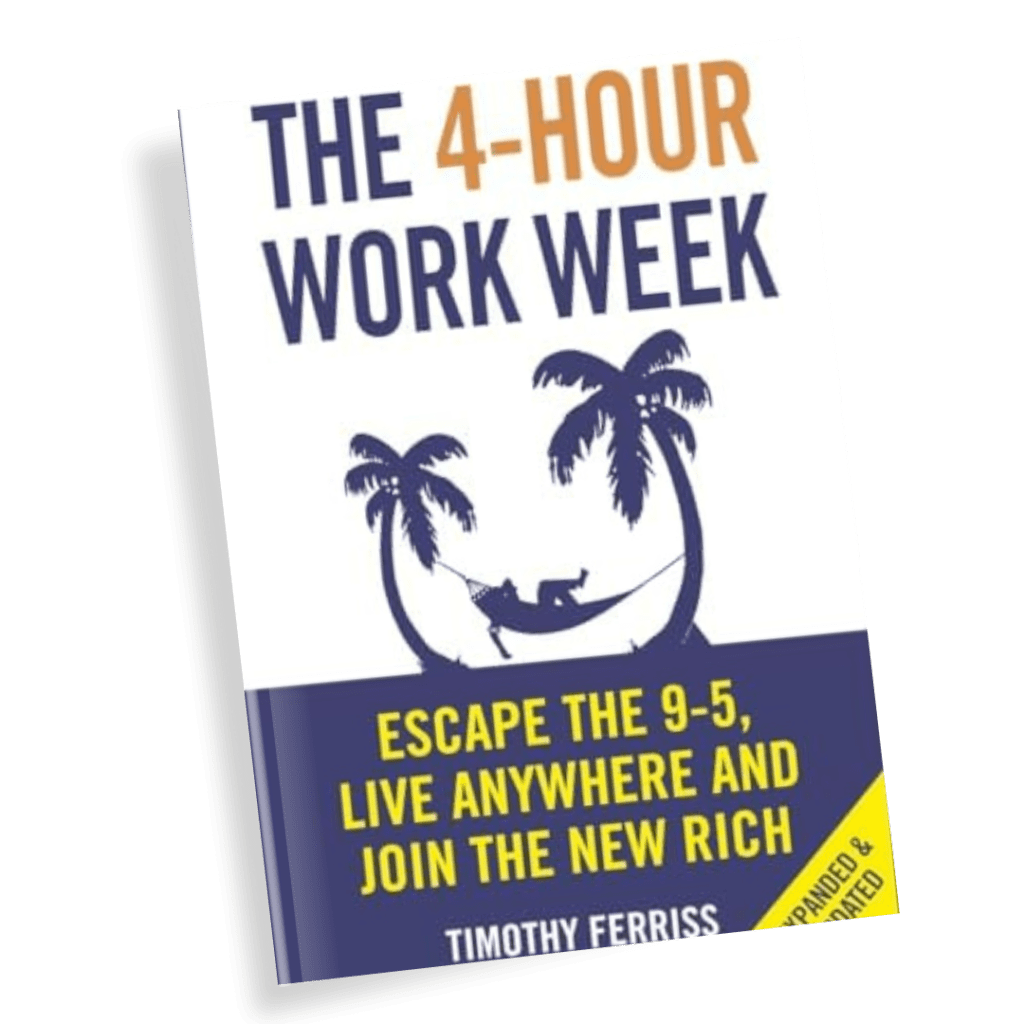
- Tim Ferriss: Author of The 4-Hour Workweek, Ferriss revolutionized the idea of location-independent work and lifestyle design.
- Natalie Sisson: Known as The Suitcase Entrepreneur, Sisson built a successful online business while traveling the world.
- Matt Kepnes: Nomadic Matt teaches people how to travel and work remotely, helping others live the digital nomad dream.
- Chris Guillebeau: In The Art of Non-Conformity, Guillebeau advocates for alternative career paths and financial freedom.
- Johnny FD: From corporate job to digital nomad, FD now focuses on e-commerce and investing, sharing his journey with others.
Next Steps: Time to Take Action
Making the shift to a life of independence may seem daunting, but it’s entirely achievable with the right planning and mindset. Take the first step today by setting a timeline for your transition. Decide when you want to start, what skills you need to develop, and how much you need to save. The digital nomad lifestyle is waiting for you – all you need to do is take that first leap!
What are your biggest concerns or questions about remote work and travel? Share them with us in the comments – we’d love to help you take the next step toward your freedom.
Want to Keep Reading?
The 4-Hour Work Week: Timothy Ferriss
A blueprint for escaping the traditional 9-to-5 grind by leveraging automation, outsourcing, and lifestyle design to achieve financial freedom and live life on your own terms.