There are certain questions we don’t tend to ask ourselves when life is moving quickly. We’re too busy building careers, raising families, supporting partners, looking after ageing parents, keeping friendships alive and somehow remembering to buy milk on the way home. For years, life rewards us for being dependable. We become the person people can rely on, the organiser, the problem solver and the one who quietly keeps everything moving. It’s a role many women step into without even noticing, because for a long time it feels purposeful, meaningful and, quite often, necessary.
Then something changes.
Not dramatically. Not overnight. More often, it’s so gradual you can’t quite pinpoint when it happened. Children become more independent, careers feel more established or perhaps you’ve simply reached a stage where life creates enough breathing room to hear your own thoughts again. It’s often in that space that a surprisingly simple question begins to surface. Not, Should I quit my job? Not, Should I start a business? Just… Who am I now?
At Follow The Founder, we’ve had countless conversations with women who describe arriving at exactly this point. Interestingly, very few of them got there because something had gone wrong. Quite the opposite. Most had built successful careers, raised families, achieved goals they once dreamed about and created lives that looked, from the outside at least, incredibly successful. The shift came not from failure but from perspective. They realised the version of themselves that had carried them through their twenties and thirties wasn’t necessarily the same version they wanted leading the next chapter.
Perhaps that’s one of the biggest misconceptions about reinvention. We assume it begins with dissatisfaction. More often, it begins with curiosity.
We Spend Years Becoming Who We’re Supposed to Be
For much of our lives we’re encouraged to keep moving forwards. Study hard. Build a career. Be a good partner. Be a good parent. Work harder. Earn more. Buy the house. Save for retirement. None of those goals are inherently wrong, and many bring genuine happiness. The interesting part is how rarely we’re encouraged to stop and ask whether the path we’re following still feels like our own.
Many women become incredibly successful at meeting expectations. They’re respected professionally, dependable personally and capable of juggling responsibilities that would overwhelm most people. Yet underneath all of that capability can sit a quiet feeling that’s difficult to explain. It’s not unhappiness. It’s not regret. It’s simply the growing awareness that the person you’ve become may want different things from the person who started this journey twenty years ago.
That can feel unsettling at first because we’re often taught that consistency is something to admire. We celebrate people who stick to the plan, who stay the course and who never change direction. Yet life has never been particularly interested in rewarding people for staying exactly the same. If we’re lucky, every decade teaches us something new about ourselves. It would be strange if our ambitions, priorities and definition of success didn’t evolve alongside us.
Experience Doesn’t Hold You Back. It Changes the Questions You Ask
One of the things we love most about speaking to founders is noticing how differently they approach opportunities later in life. Younger founders often ask, Can I do this? More experienced founders tend to ask, Do I actually want to?
It’s a subtle difference, but it changes everything.
With experience comes the confidence to question assumptions we once accepted without hesitation. We become less interested in impressing people we barely know and more interested in creating work that genuinely feels meaningful. We stop chasing titles simply because they sound impressive at dinner parties and begin thinking more carefully about how we want our days to feel. Success becomes less about proving ourselves and more about designing a life we actually enjoy living.
One of the reasons Annalee’s story resonates with so many founders is because she didn’t redefine success by stepping away from ambition. In her mid-thirties she left California, embraced a period of travelling and living as a digital nomad, and eventually built a life in New Mexico that felt far more aligned with the future she wanted. She still leads a growing business. She still works with founders around the world. The ambition never disappeared. What changed was her willingness to question whether the traditional picture of success was actually the one she wanted to keep pursuing.
That’s a conversation more women are beginning to have. Not because they’re giving up on success. Because they’re becoming far more intentional about defining it.
Maybe Reinvention Isn’t About Becoming Someone New
The word “reinvention” can sound dramatic. It conjures images of people walking away from everything they’ve ever known, moving to another country or launching entirely new careers overnight. While those stories certainly exist, most reinvention happens much more quietly than that.
Sometimes it’s choosing flexibility over status. Sometimes it’s finally saying yes to an idea you’ve talked yourself out of for years. Sometimes it’s deciding that working four days a week is more valuable than another promotion.
Sometimes it’s simply allowing yourself to admit that you’ve changed.
The most inspiring women we’ve spoken to aren’t trying to erase the person they used to be. They’re building on everything that version of themselves learned along the way. Every career, every difficult season, every success and every disappointment has given them perspective they couldn’t possibly have had twenty years earlier. They’re not starting from scratch.
They’re starting from experience.
If this conversation resonated, you’ll find more of it inside the Follow the Founder community.
We share honest conversations about leadership, brand building, AI, influence, and what it really takes to build something meaningful. No noise. No recycled advice. Just lived experience from founders who are in it.
Follow along, subscribe to our newsletter, and join the conversation. The future of founder content will not be automated. It will be intentional.
If you’re travelling abroad, Airalo makes it easy to stay connected with an eSIM without having to buy a physical SIM when you arrive.
Want to Keep Reading?
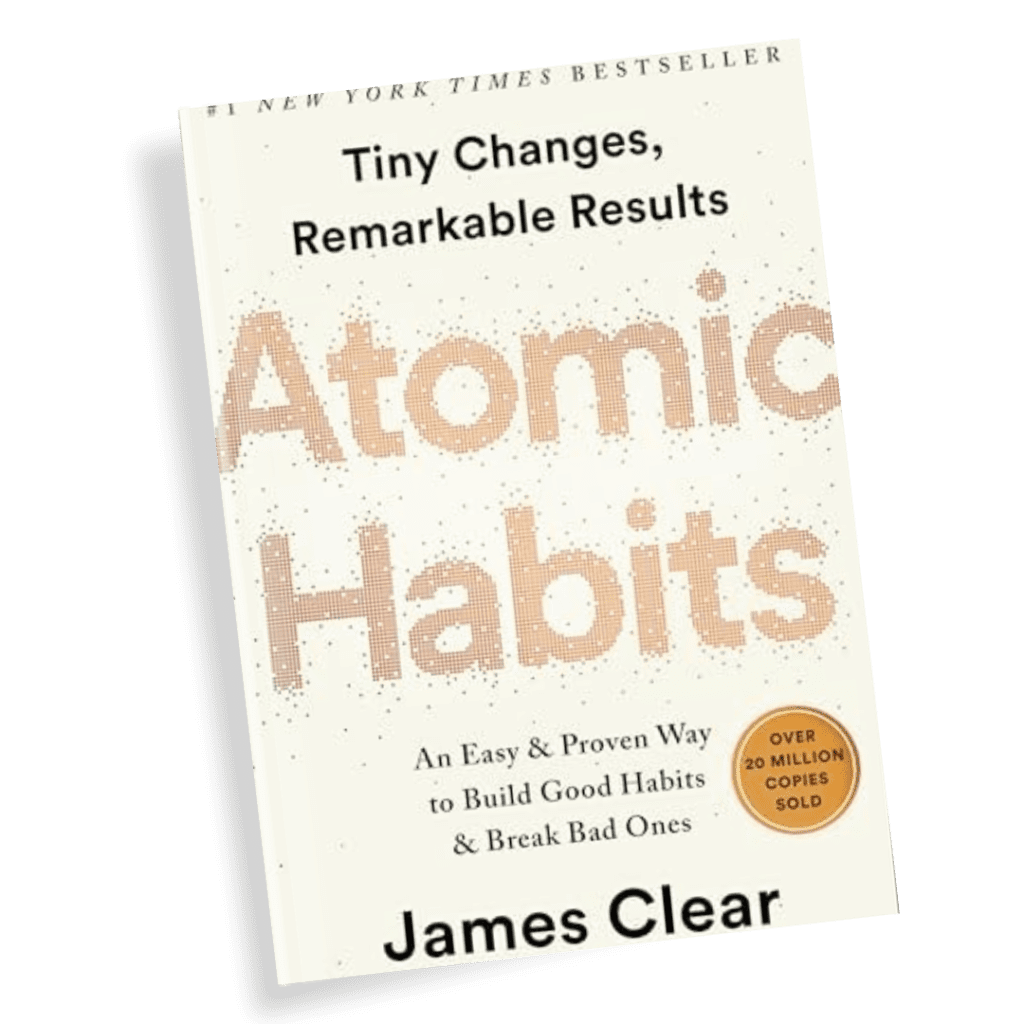
Atomic Habits: James Clear
Atomic Habits offers a proven framework for improving–every day. James Clear reveals practical strategies that will teach you exactly how to form good habits, break bad ones, and master the tiny behaviors that lead to remarkable results.